Axens, IFPEN and JEPLAN completed an industrial test recycling post-consumer polyester textiles into base monomer for new polyester production.
The companies processed several tens of tons of European textile waste in their semi-industrial demonstration unit in Japan. The unit has 1,000 ton per year capacity.
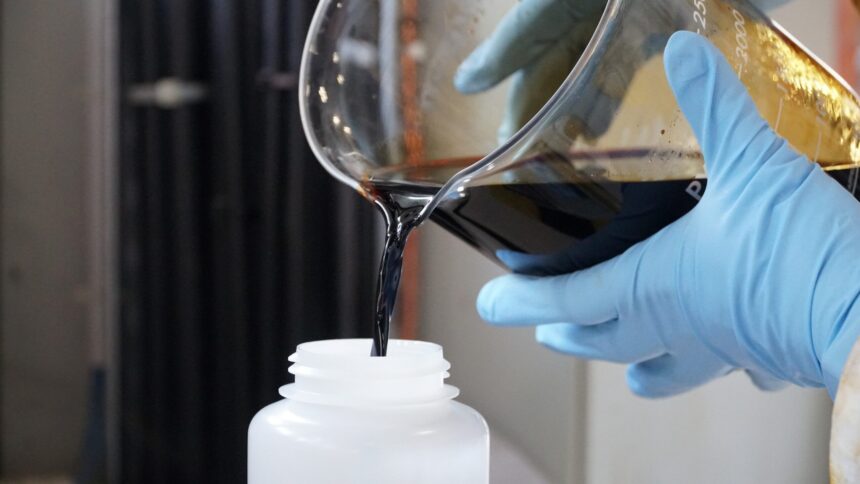
The textiles came from French public collection streams. Two French partners, Nouvelles Fibres Textile and Mapea, sorted and prepared the material. The process produced several tens of tons of BHET, the base monomer of polyester.
The BHET will be converted into polyester yarns, fabrics and garments. This completes a textile-to-textile loop.

The Rewind PET technology uses chemical recycling rather than mechanical processes. The companies say it’s one of the first industrial textile-to-textile recycling tests of this scale under representative conditions.
Approximately 60% of global textile production relies on polyester and synthetic fibers. Less than 1% of fibers produced today come from genuine textiles recycled into textiles, according to Textile Exchange’s Materials Market Report.
The process can be installed at existing industrial sites that produce polyester for the textile industry. This enables substitution of fossil-based raw materials with recycled equivalents.
IFPEN and JEPLAN granted Axens an exclusive worldwide license for the technology. The process was already proven for recycling PET packaging, including food-contact applications.
Target markets include sportswear and outdoor gear, home furnishings like upholstery and curtains, and certain luxury applications.
The technology offers what the companies call the shortest pathway to recycle spent textiles. They claim positive impact on carbon footprint and cost compared to alternatives.