Syngenta and Groundwork BioAg have announced a strategic partnership to market Groundwork’s mycorrhizal technology. The deal combines biological crop performance with a soil carbon credit program.
Under the agreement, Syngenta will commercialize mycorrhiza-based products and soil carbon solutions under its own label. The offer will initially target corn, soy, cereals, and sunflower in Latin America and Europe, with product distribution planned for additional markets.
Groundwork BioAg will handle manufacturing, supply, digital tooling, and development of the full carbon program. Syngenta will provide market access and commercial reach. Farmers stand to benefit from improved nutrient uptake, leading to higher and more resilient crop yields. The partnership also opens a new revenue stream through carbon credits.
Petra Laux, chief sustainability officer of Syngenta Group, said the model builds resilience, restores soil health, and accumulates carbon stocks quickly, while generating credits that benefit farmers directly.

Alon Werber, CEO of Groundwork BioAg, said the partnership offers commercial validation for the company’s technology. He said it is expected to generate significant revenue for farmers and Groundwork in the coming years. Werber added that combining Syngenta’s market reach with Groundwork’s mycorrhizal expertise positions the fungi as both an agronomic tool and a pathway for climate mitigation.
Emilhano Lima, global head of seedcare and biologicals at Syngenta, said the partnership reflects the growing role of biologicals in agriculture.
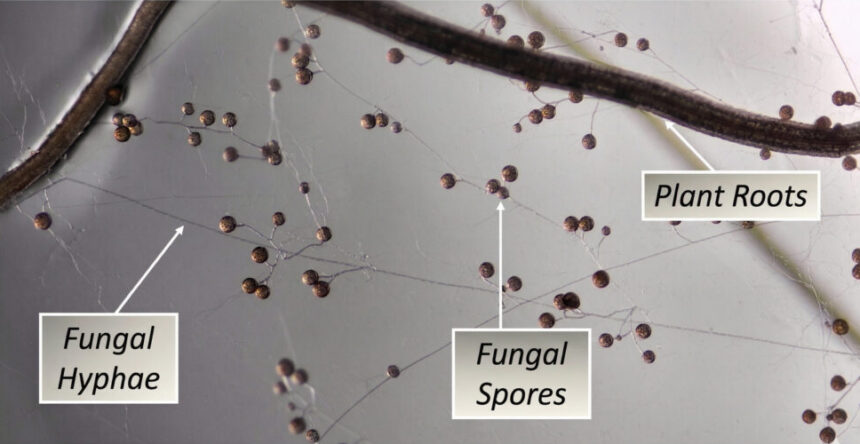
Mycorrhizal fungi form symbiotic relationships with crop root systems. They improve nutrient and water uptake and support long-term soil health. The fungi also help form durable, mineral-associated organic matter, which stores carbon over time.
Soils with higher carbon content tend to be more fertile. They also retain water better and resist drought and erosion more effectively.