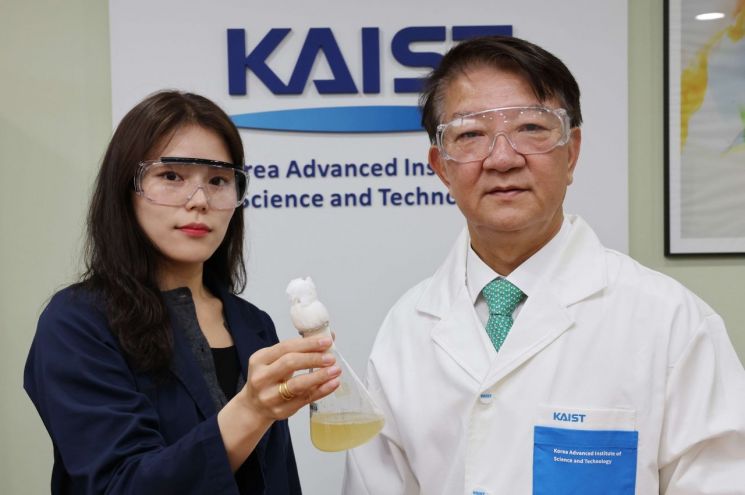
A team at KAIST has found a way to produce key materials for nylon using microorganisms. This method could replace traditional processes that rely on fossil fuels. The research was led by Professor Sangyeob Lee from the Department of Chemical and Biomolecular Engineering. It was published in the journal PNAS.
Nylon is a common plastic used in clothing, films, and car parts. There are two main types: nylon 6 and nylon 6,6. Nylon 6 is flexible and used in clothing and films. Nylon 6,6 is stronger and heat-resistant, used in cars and industrial parts. Currently, most of the raw materials for nylon are made from petrochemicals.
The KAIST team used glycerol, a renewable by-product of biodiesel production, as their starting material. They successfully made three important nylon ingredients: adipic acid, hexamethylenediamine, and epsilon-caprolactam. These are the building blocks for nylon 6 and 6,6.
They created a “modular co-culture system” with two types of E. coli bacteria. One produces adipic acid from glycerol. The other converts it into either hexamethylenediamine or epsilon-caprolactam. This teamwork improves efficiency and control.

To boost production, the team used AI to improve enzymes and pathways inside the bacteria. They managed to produce 6 grams of adipic acid per liter of fermentation. They also used a “sequential co-culture” method, which produced 230.8 mg/L of hexamethylenediamine and 808 micrograms per liter of epsilon-caprolactam. These are the highest levels ever achieved from glycerol.
This breakthrough shows that nylon raw materials can be made from renewable sources instead of oil. If they further improve productivity, it could lead to a greener chemical industry.
Professor Lee said, “This platform can produce nylon monomers from renewable carbon. We’ll keep refining the enzymes and pathways to develop more bio-based materials.”
The research highlights a promising step toward sustainable manufacturing of nylon and other polymers.