Researchers at the University of California, Davis, are turning cheese byproducts into biodegradable plastic. They are working with the California dairy industry.
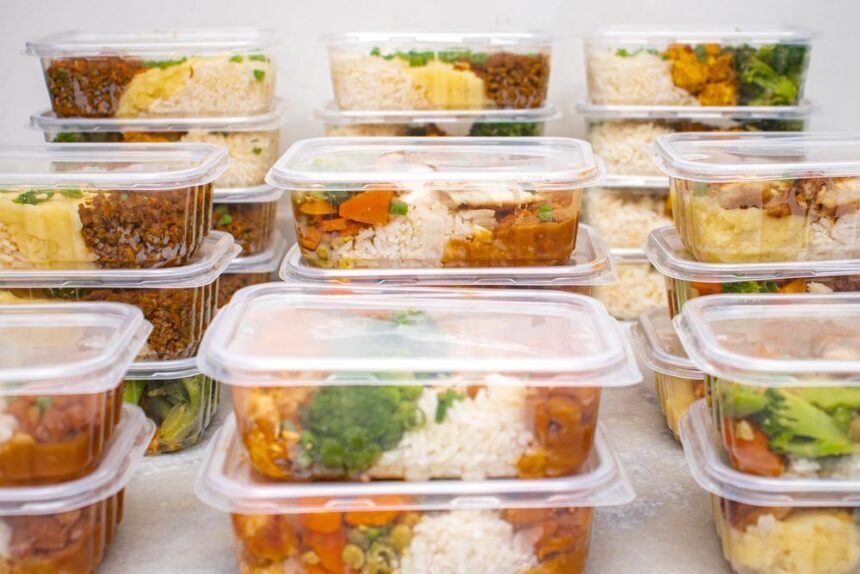
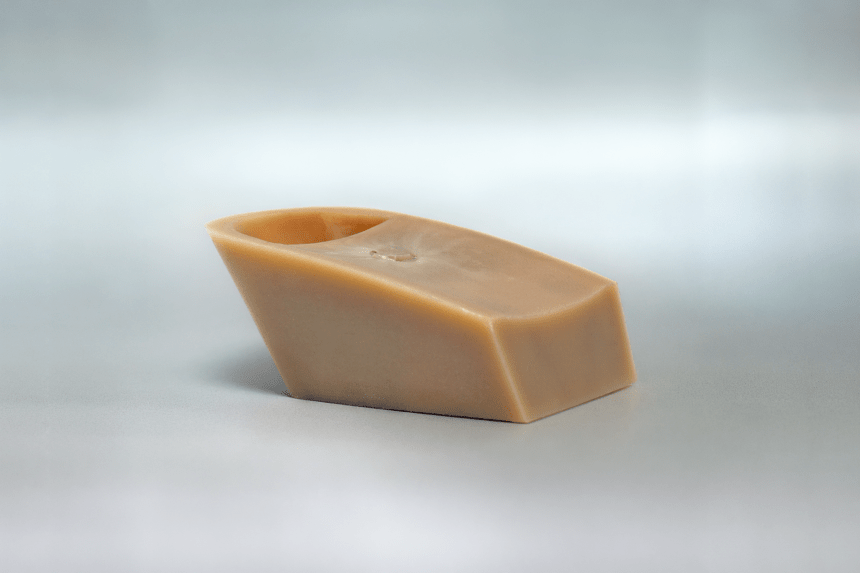
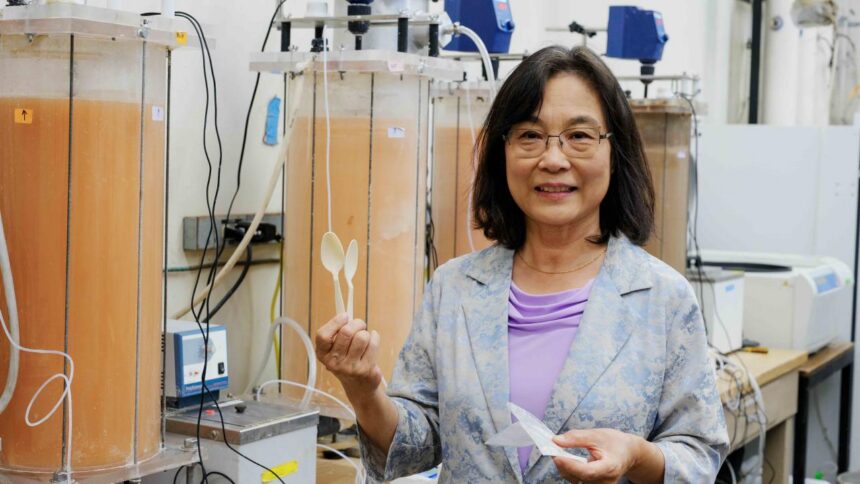
The pilot-scale process starts with whey permeate, a salty byproduct of cheese making. Salt-loving microbes ferment its lactose. The polymers are then extracted from the microbes and purified into a powder called polyhydroxyalkanoates, or PHA. The powder can be formed into thin films or solid items such as packaging, spoons and cup liners.
Whey permeate suits this process well. It is high in sugar and salt, so it does not need sterilization. That lowers processing costs. PHA also biodegrades in more environments than other common bioplastics. Postdoctoral scholar Xueyao “Kira” Zhang said it can break down in almost all natural settings, including backyard soil and the ocean.
Cost is the main hurdle. Typical plastics can cost about $1 per kilogram to produce. The PHA made in the lab costs about $6 per kilogram. Researchers are working to cut production costs to support commercial use.

The material could also help the dairy industry. California produces 2.4 billion pounds of cheese each year. Some processors recover about two-thirds of the lactose for infant formula and pharmaceutical tablets. The rest typically goes to lower-value animal feed markets. Alex Hobby of Hilmar Cheese Company said the collaboration looks at new markets for the sector. Veronique Lagrange of the California Dairy Innovation Center said the work opens a new market for the ingredient and returns more value to farmers.
Distinguished Professor Ruihong Zhang leads the lab. The California Dairy Research Foundation, California Dairy Innovation Center, Dairy Management Inc., Hilmar Cheese Company and Leprino Foods support the research. The USDA’s Western Regional Research Center offers its large-scale centrifuge and other equipment.