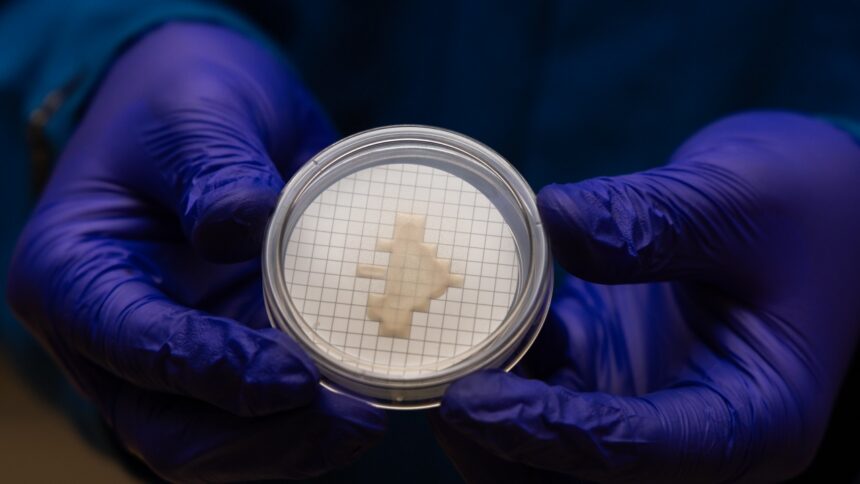
Researchers at the University of California, Davis, are working to make methane-based bioplastics cheaper to produce. They are partnering with Mango Materials, a sustainable materials company. The National Science Foundation and BioMADE are funding the project.
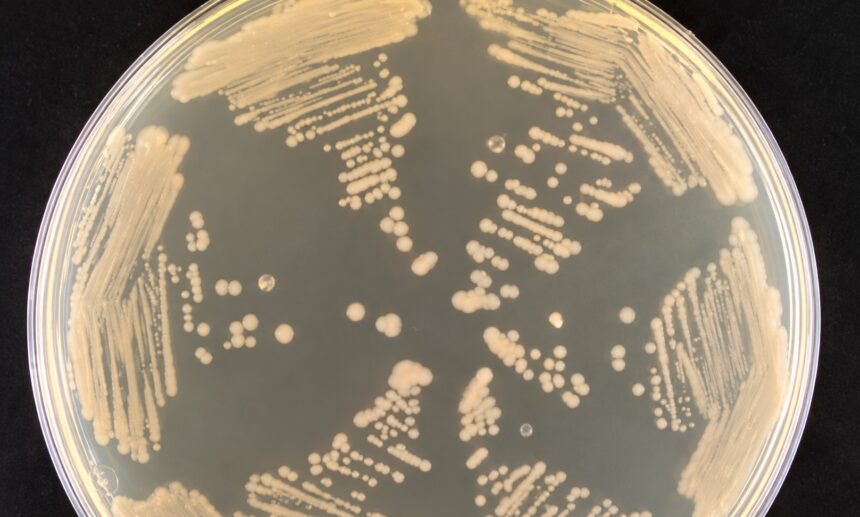
Methanotrophs are naturally occurring bacteria that consume methane. They use its carbon to make biodegradable plastic, which they store inside their cells. Getting that plastic out and purifying it adds significantly to costs. Lower costs could help bio-based plastics compete with conventional ones.
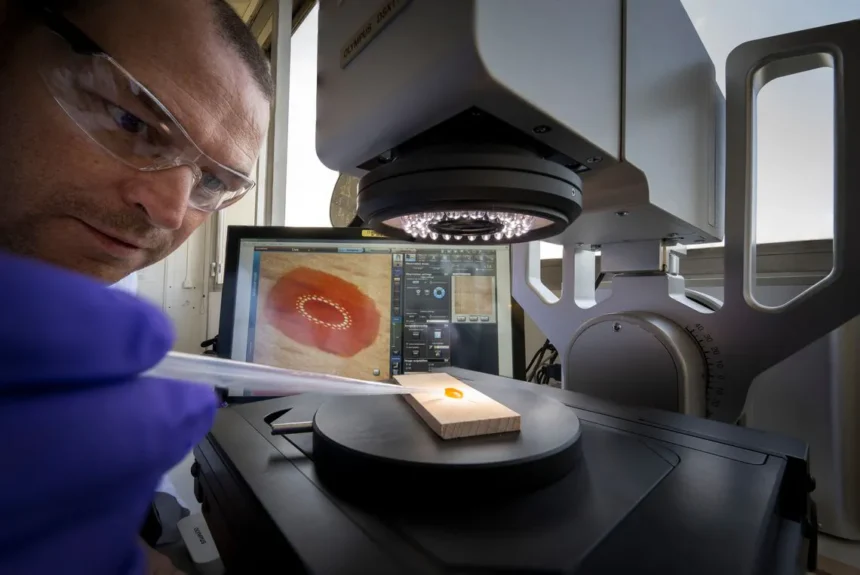
Yi Wang, an assistant professor of biological and agricultural engineering, leads the engineering effort. He will design methanotrophs that make the plastic easier to extract. The goal is to cut the time and energy needed to separate it from proteins and other cell material. Wang says this downstream processing is a major cost driver.
Methanotrophs are harder to engineer than well-studied bacteria such as E. coli. They have few established genetic tools. Wang will develop CRISPR-Cas genome-editing systems tailored to them. His approach designs cells with product recovery in mind. That could reduce reliance on energy-intensive equipment and chemical-heavy purification.

Mango Materials does not currently use genetically modified methanotrophs. It uses natural selection to develop bacteria that produce polyhydroxyalkanoates (PHAs). The company builds factories next to waste methane sources, such as wastewater treatment plants and agricultural facilities. It turns the extracted PHAs into polymer pellets that fit existing plastic supply chains.
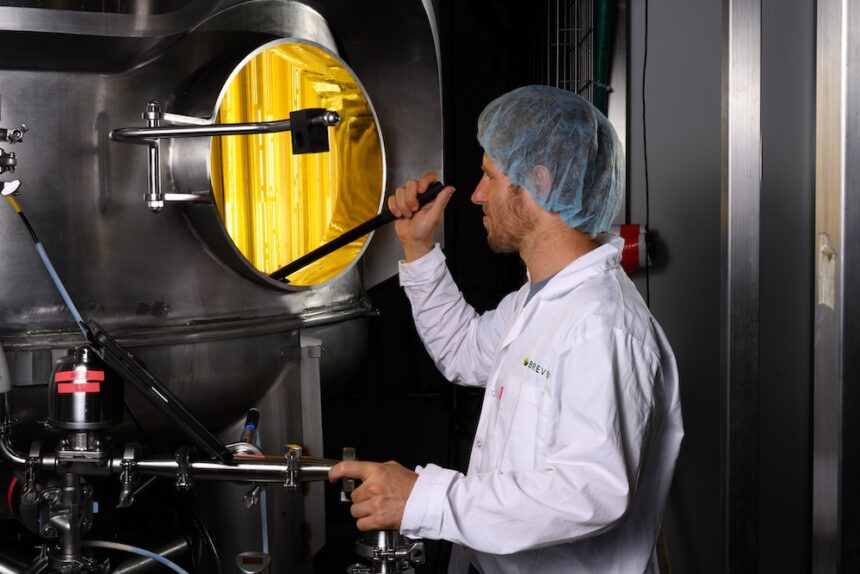
Mango Materials will test the engineered strains. Work will begin in small-batch cultures and move to lab-scale fermenters. The final step is the company’s 5,000-liter bioreactor, which is connected to a wastewater treatment plant that supplies methane. The team will assess growth, PHA production and downstream performance. It will also analyse economic and environmental impacts.