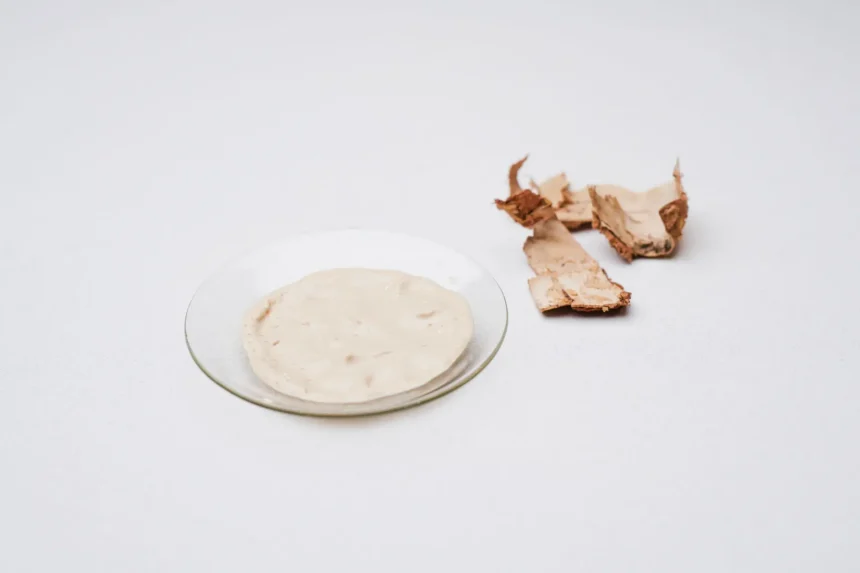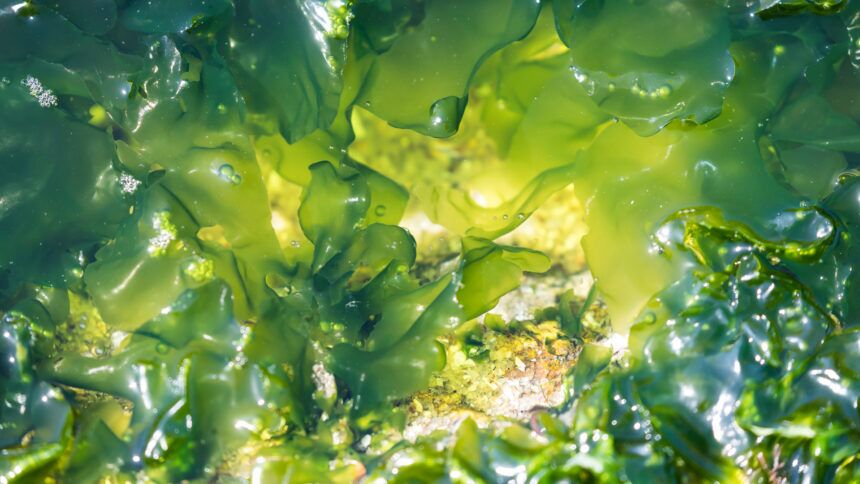
Filipino scientists are turning to the ocean for a solution to plastic pollution. During the 48th Annual Scientific Meeting of the National Academy of Science and Technology-Philippines (NAST PHL), researchers highlighted the potential of seaweed-derived bioplastics, biodegradable plastics made from algal polymers.
The country has identified around a thousand local seaweed species. Scientists see this biodiversity as a foundation for developing bioplastics that break down naturally, offering an alternative to conventional plastic.
Marco Nemesio Montaño said fundamental research is still needed to pinpoint niche opportunities within the Philippines’ bioplastic industry. He described this as a chance for inclusive growth and sustainable development, though he noted current research and development efforts still have gaps to bridge.
Ernesto del Rosario pointed to the country’s extensive marine territory as an underused resource. He said the Philippines’ open seas and inter-island waters could support large-scale seaweed farming, ensuring a steady supply for bioplastic production.

The Philippines already ranks fourth among the world’s top seaweed producers, contributing 4.2 percent of the global market. Most of that output comes from Kappaphycus alvarezii, a red algae species widely farmed across Philippine waters.
Del Rosario noted that only a small fraction of the country’s ocean and sea resources are currently used for seaweed cultivation. He said the nation’s vast economic zone gives it strong potential to become a major bioplastics producer, provided research and investment keep pace with the opportunity.
The findings underscore a growing interest across Southeast Asia in marine biomass as a renewable material source, positioning seaweed as both an environmental and economic asset for coastal nations like the Philippines.