




Features
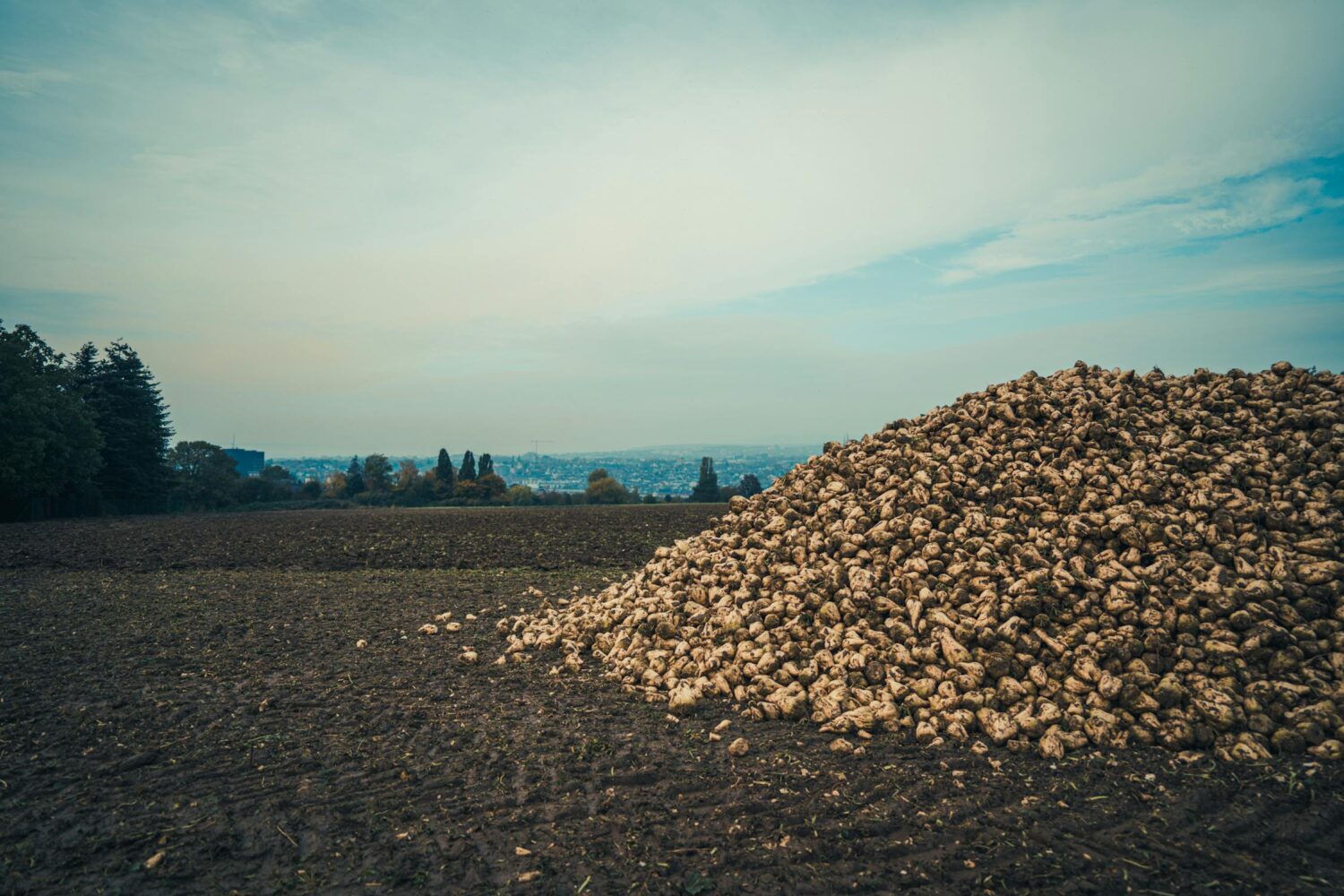
The beet goes on: valorising Europe’s largest agro-waste pool
The Polish design team Waste Lab has developed a low-tech method for turning the waste leaves and pulp of beets into biodegradable packaging applications such as supermarket fruit containers, plant pots, and packaging.

Manure, feathers, and wool: the circular potential of animal waste
Building a biobased and circular industry to use up livestock waste could go some way to solving the pollution associated with animal farming.

Who is Deep Science Ventures?
Underground fungal network restoration, insect protein, fermented marine protein. The biobased portfolio of tech venture studio Deep Science Ventures reads like a roll call of some of the trendiest areas in climate tech.
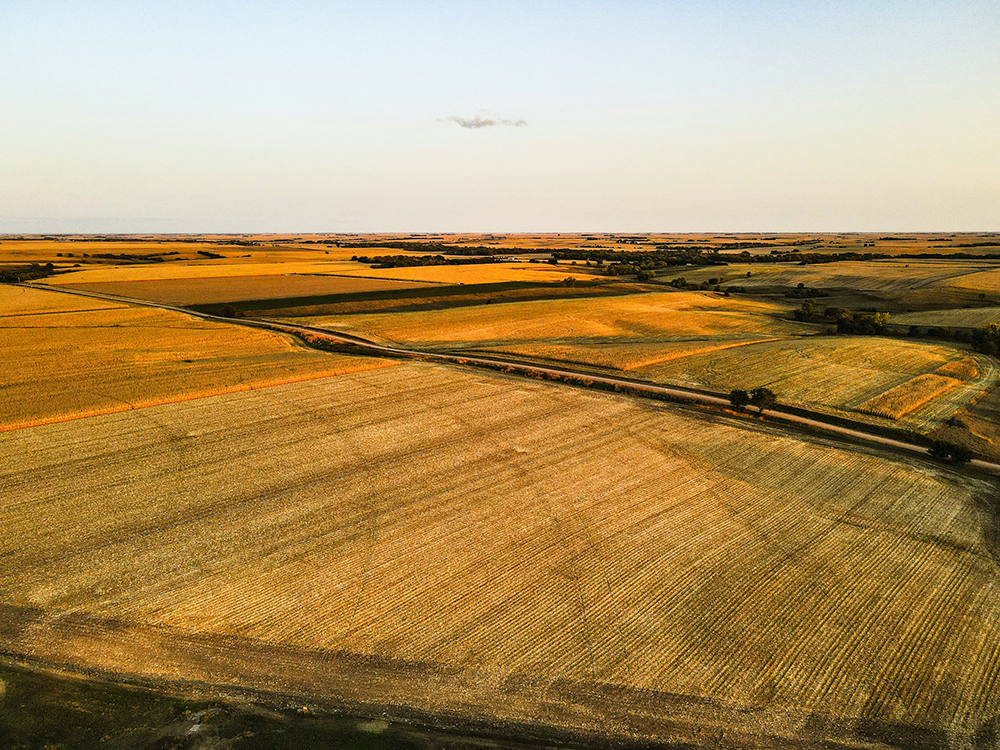
The four factors behind Nebraska’s biomanufacturing potential
Nebraska is an agricultural powerhouse, generating $31.6 billion in agricultural cash receipts in 2022. Now, the state is ready to further its push into the biobased value chain with an eye on growing demand from sustainability compliance markets.

After circular fashion hits London Fashion Week, where next for sustainable clothing?
Budding interest among designers in circularity shows how some in the industry are pushing back against the drift towards greater waste, plastic use, and disposability, practices that have pushed the apparel industry into the ranks of the biggest global carbon…

Building for the climate age: the uses of fungi in construction
Fungi can be used to make diverse building materials with different properties, ranging from spongy fungal blocks that are wholly biobased to composites that fuse concrete or other conventional construction materials with fungal spores.