




Features
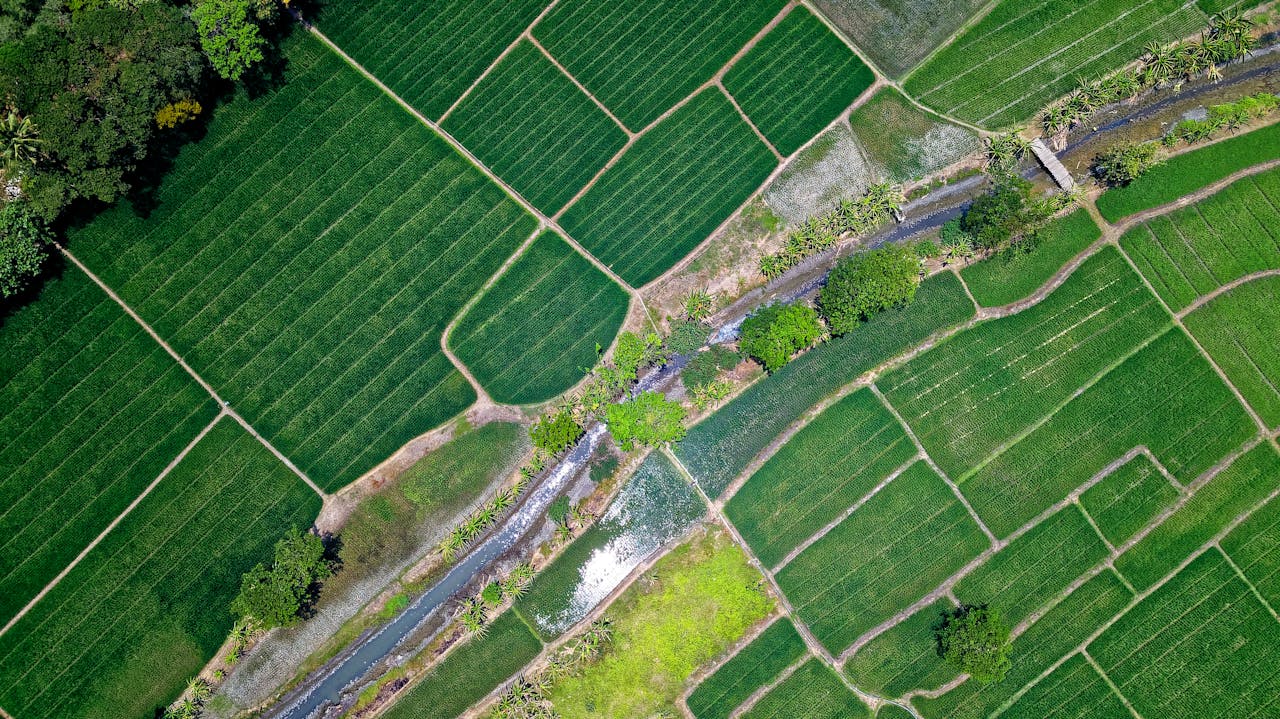
Building rural value chains for a fairer bioeconomy
Most raw materials used in the bioeconomy begin life in rural areas. For the most part, however, the countryside is still not seeing the full economic benefits of advanced biobased industries. Cities still tend to claim the lion’s share of…

The startups using light to scale biomanufacturing
The bioeconomy is associated with the production of tangible and weighty stuff. Yet some biobased startups are using a more ephemeral tool in their biomanufacturing processes: light. Developers of light-based technologies for biomanufacturing say their innovations could keep the costs…

The bioeconomy in venture capital portfolios
Entrepreneurship plays a big role in scaling biobased capacity. Yet bringing novel biomaterials and biochemicals to market entails a high level of risk thanks to still-developing supply chains, regulations, and infrastructure. Venture capital funds are often an important source of…
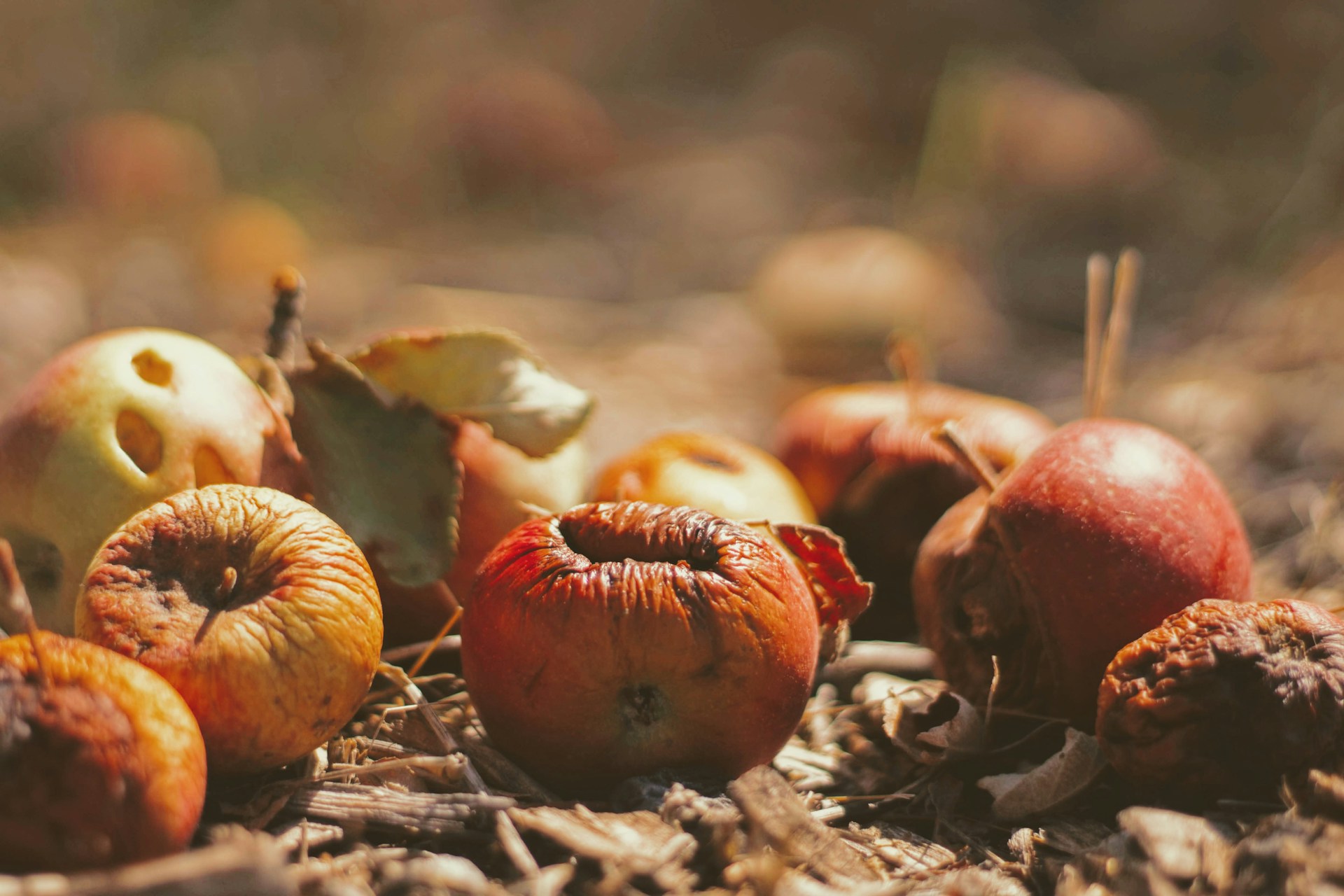
The most sustainable feedstocks for precision fermentation
Over the last several years, precision fermentation has attracted attention as a manufacturing methods that could drastically lower the environmental impacts of everyday products, from edible proteins to animal feed and cosmetics ingredients. Precision fermentation is a biomanufacturing technique that…
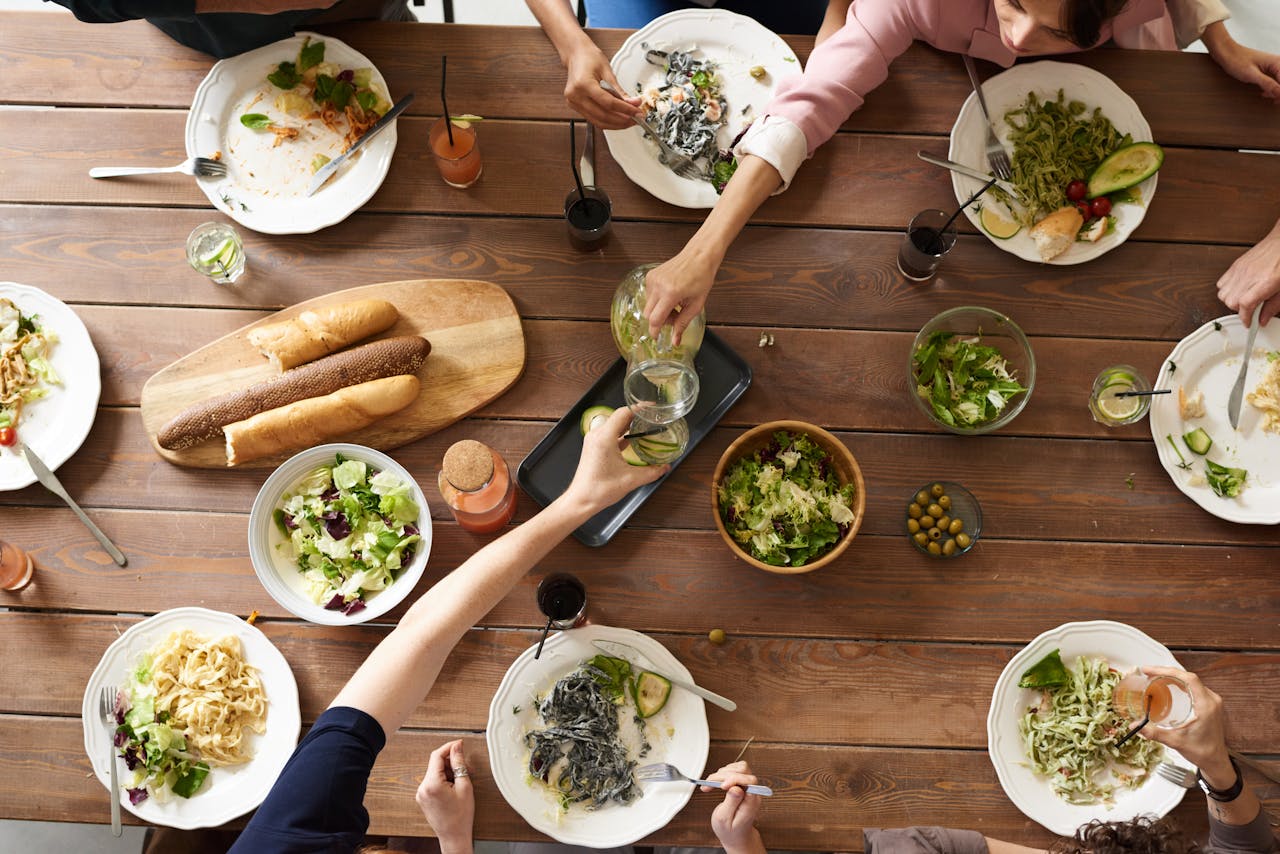
How circular restaurants take waste off the menu
Silo UK in London’s Hackney Wick is the best-known circular restaurant in the UK. The original concept was a ‘‘restaurant with no bin”, where all waste on-site gets used up rather than thrown away. Having eliminated 99.9% of its waste, Silo…
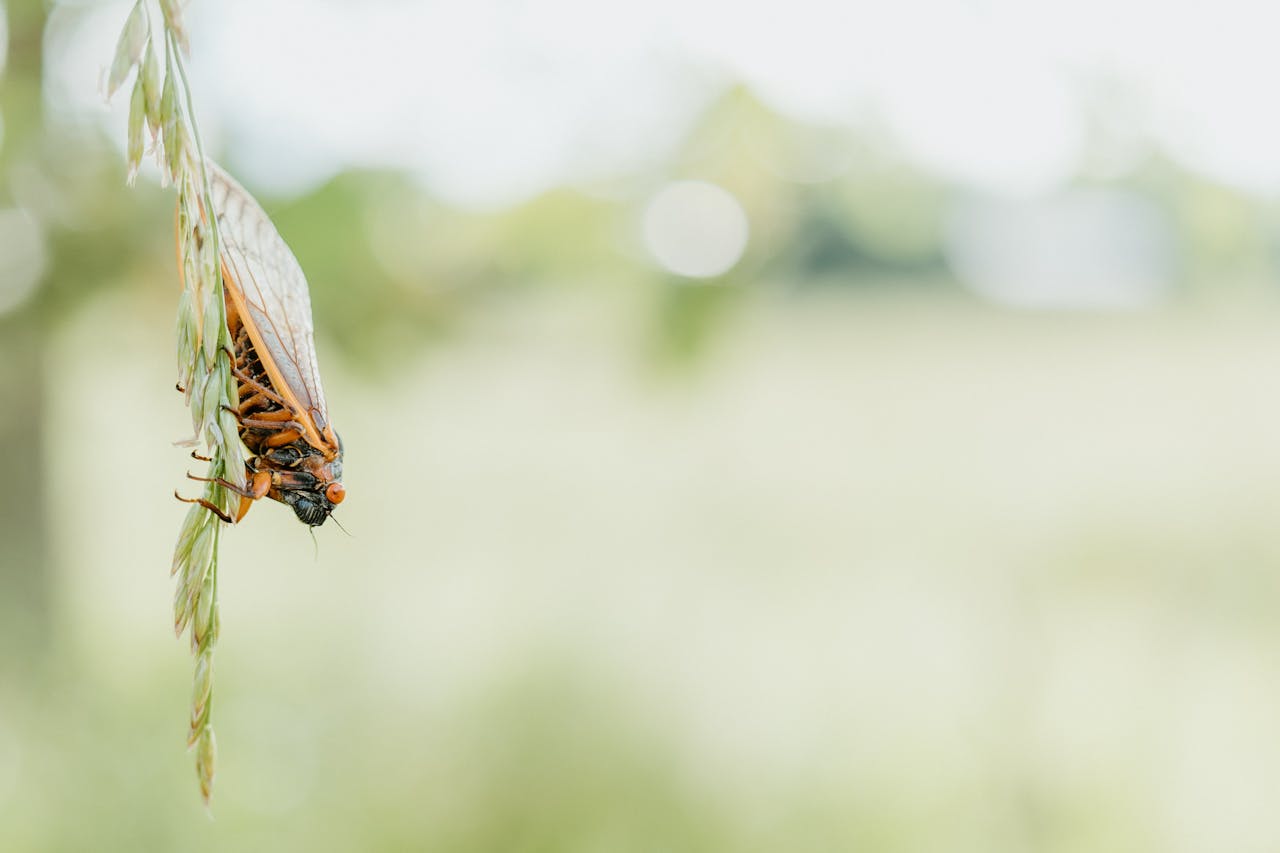
Insect wings, bodies, and brains in bio-inspired design
Insects are adapted to all kinds of environments thanks to the diverse materials which make up their bodies. Evolution has furnished these creatures with strong exoskeletons and intricately-shaped wings. Researchers are building materials inspired by these natural innovations to solve…