




Features
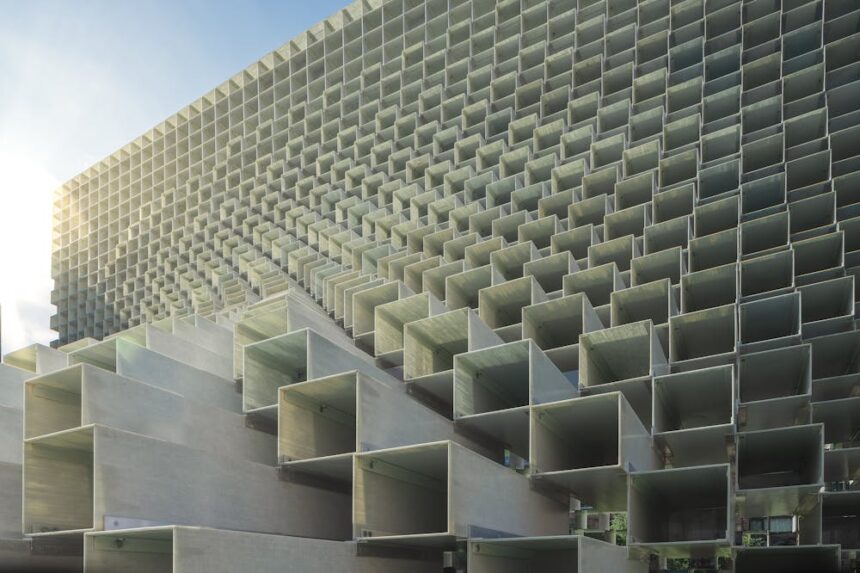
The shape-shifting biomaterials that make buildings move
What if the materials we wore and built with could shape-shift? Responsive materials are already here thanks to new research and they could soon be hitting the market.
Glowing textiles, fungi lamps: the world of biobased luxury
We look at the makers experimenting with natural materials for style-conscious markets that insist on aesthetic value along with sustainability and performance.
How much is the US bioeconomy worth?
We investigate different estimates for its value and how much certain sub-sectors are predicted to grow over the coming years. We also dive into why different agencies have put out different valuations of the sector.

How to lay a plastic-free Christmas table
A greener, less wasteful Christmas is possible with biobased, biodegradable alternatives. Here is how to lay a plastic-free Christmas table for guests that cuts landfill waste.

The processing method that could make biomanufacturing cheaper
We look at how continuous processing differs from prevailing methods of production and how it could bring down the consumer prices of biomanufactured goods.

The Department of Defense in the US bioeconomy
As the DoD takes an active role in building out the US renewable materials industry, we look at the reasons for its interest in biomaterials and how it reached its pre-eminent position in the US biobased ecosystem.