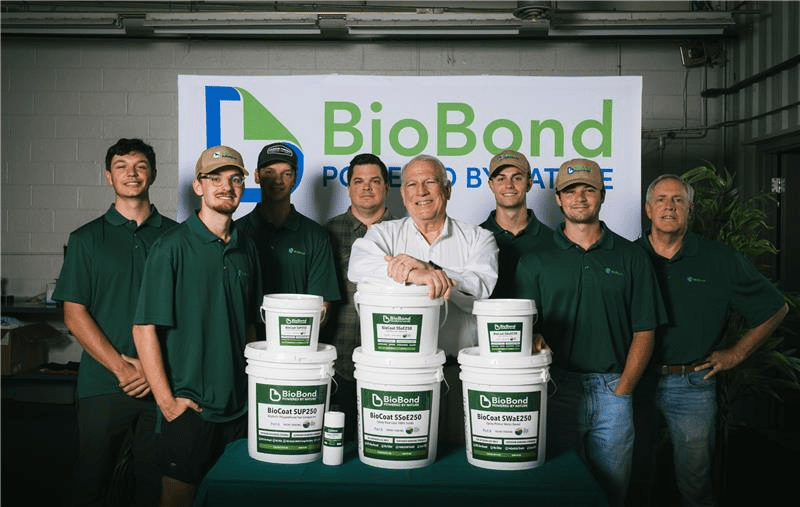
BioBond, a leader in sustainable materials, announced the release of a white paper titled “The Dichotomy of Plastic Pollution: ‘Good’ vs. ‘Bad’ Microplastics from Biobased and Petroleum-Derived Polymers.” The paper emphasizes the importance of distinguishing between microplastics based on their persistence and source.
According to Dr. Clayton Westerman, BioBond’s Chief Science Officer, the key issue is not microplastics themselves but their durability. Petroleum-based plastics produce persistent microplastics that accumulate in the environment. In contrast, bio-based, biodegradable plastics generate microplastics that can undergo complete mineralization, making them environmentally less harmful.
Marc McConnaughey, BioBond’s CEO, highlighted that petroleum coatings and adhesives are significant sources of environmental microplastics. He emphasized that understanding the differences between plastic types is essential for developing sustainable solutions, and that BioBond’s approach offers valuable data to advance this goal.
BioBond’s work targets the $190 billion coatings and adhesives industry, which currently relies heavily on petroleum-based materials. Vice President Greg Piche explained that the company aims to accelerate the shift toward plant-based alternatives. Their strategy focuses on eliminating persistent microplastics and “forever chemicals” while maintaining performance and controlling costs.

Over the past 18 months, BioBond has developed, scaled, and released 10 bio-based coatings and adhesive products. These efforts are supported by 25 patent filings. The company’s goal is to promote a circular, sustainable future by reducing reliance on petroleum-based plastics and lowering CO₂ emissions through an efficient, innovative approach.