




Technology

Fraunhofer develops biobased construction material using cyanobacteria
Researchers at Fraunhofer Institutes IKTS and FEP have created a new method for producing building materials using cyanobacteria, a type of bacteria. This method offers a more environmentally friendly alternative to traditional concrete production by reducing carbon dioxide emissions and…

L’Oréal partners with biotech Debut to develop fermentation-based ingredients
L'Oréal has partnered with Debut, a biotech startup, to develop fermentation-based ingredients for its products. This partnership aims to replace conventional ingredients currently used in L'Oréal's beauty and personal care products with sustainable alternatives. Debut uses advanced fermentation and cell-free…

The startups using light to scale biomanufacturing
The bioeconomy is associated with the production of tangible and weighty stuff. Yet some biobased startups are using a more ephemeral tool in their biomanufacturing processes: light. Developers of light-based technologies for biomanufacturing say their innovations could keep the costs…

World’s first scalable, 100% biobased, and biodegradable super absorbent polymer
ZymoChem, a biotechnology company focused on developing sustainable materials for everyday products, announced the launch of BAYSE, a scalable, bio-based, and biodegradable Super Absorbent Polymer (SAP). This innovative material has the potential to transform the global hygiene industry and contribute…

Concordia researchers develop microalgae power cells for low-power devices
Researchers at Concordia University's Optical-Bio Microsystems Lab have taken a significant step towards sustainable energy production with their development of microalgae power cells. Published recently in the journal Energies, this technology harnesses the power of algae photosynthesis to generate electricity…
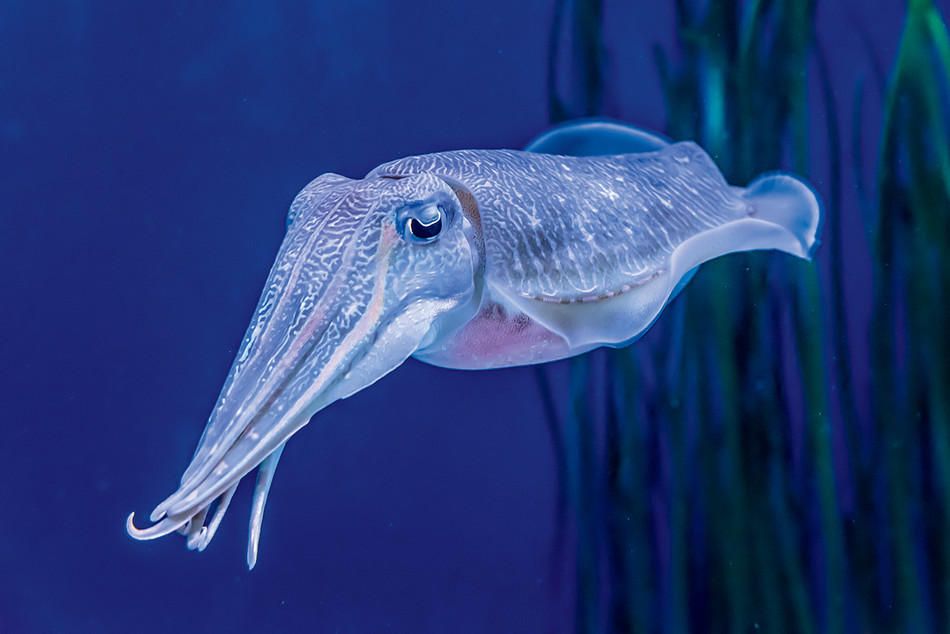
New study shows promise for turning cuttlefish ink into sustainable biopolymers
Scientists in Japan have conducted a promising study on using melanin, a pigment found in cuttlefish ink, as a source for creating sustainable materials. This research could be a significant step towards a more circular economy by giving new life…