


Technology
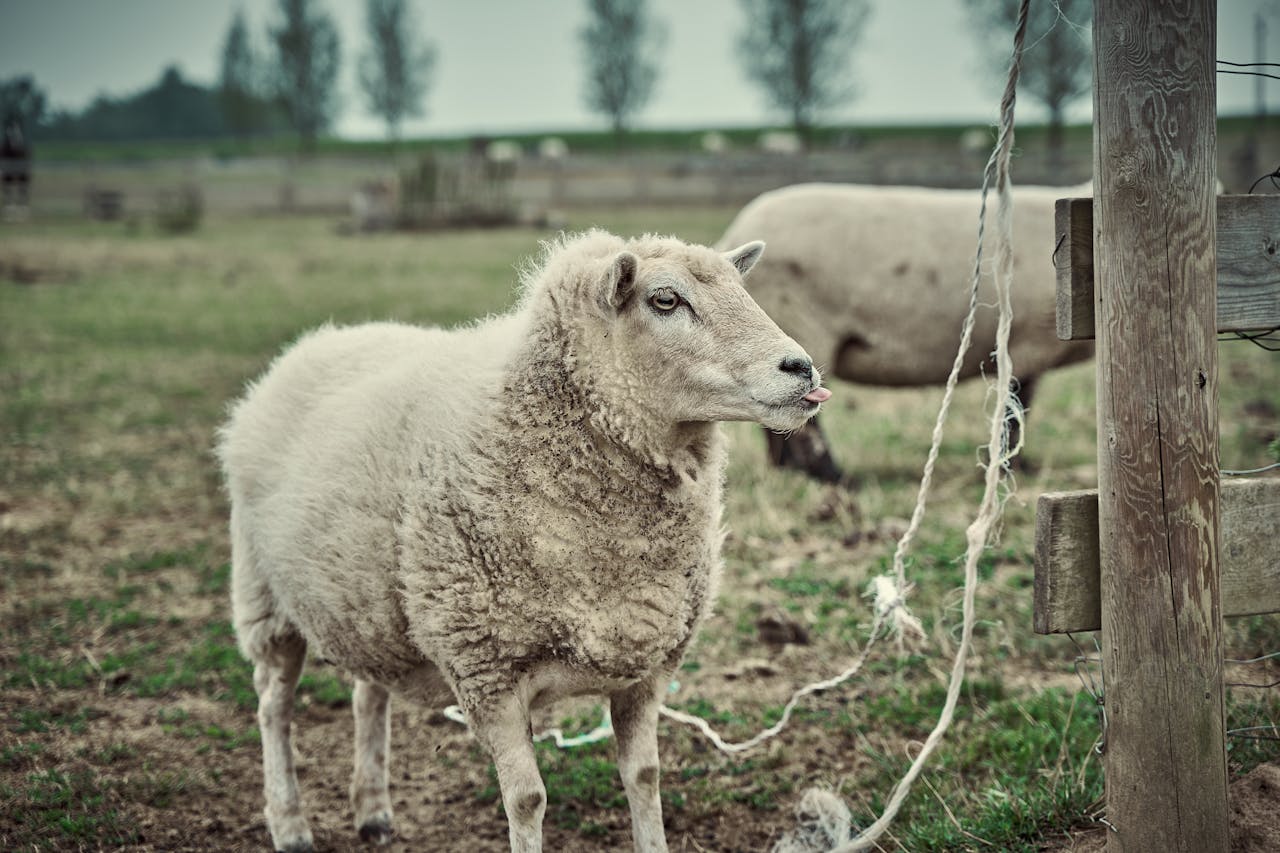
Manure, feathers, and wool: the circular potential of animal waste
Building a biobased and circular industry to use up livestock waste could go some way to solving the pollution associated with animal farming.

New study shows whole asparagopsis outperforms bromoform in reducing methane emissions from cattle
A new study has found that using whole Asparagopsis seaweed as a cattle feed additive is significantly more effective at reducing methane emissions than using bromoform, the primary active compound in the seaweed, on its own. The study, published in…

New tech aims to reduce microfibre pollution in textile industry
Matter, a UK-based company, and Paradise Textiles, a leading textile manufacturer, have launched a groundbreaking collaboration to bring a pioneering technology to the market. The technology, Regen.™ for Textile Production, aims to reduce microfibre pollution from textile production by implementing…
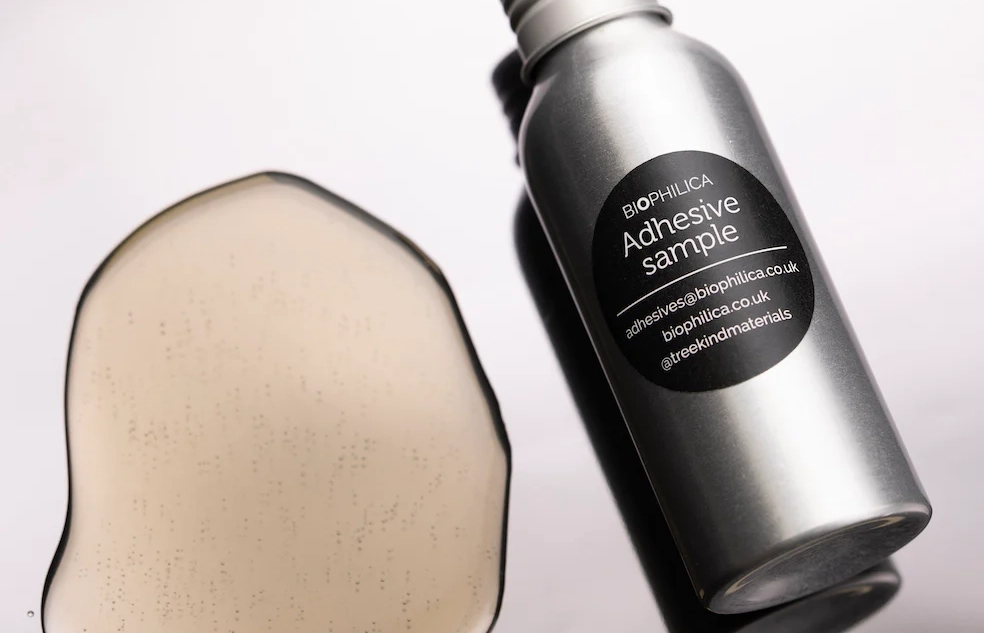
Biophilica launches 100% biobased adhesive
London-based material innovator Biophilica has introduced Brightbond, a 100% biobased adhesive made from renewable resources. The company's research and development team spent 18 months perfecting the formula, which boasts the same bonding performance as traditional PVA adhesives. Brightbond is suitable…

Building for the climate age: the uses of fungi in construction
Fungi can be used to make diverse building materials with different properties, ranging from spongy fungal blocks that are wholly biobased to composites that fuse concrete or other conventional construction materials with fungal spores.

UK biotech startup expands lab-grown leather production capacity
In a significant development, Lab-Grown Leather Ltd (LGL) has expanded its production capacity for lab-grown leather, an innovative alternative to traditional animal-derived leather. The company's technology has the potential to transform the leather industry, offering a more sustainable and ethical…