




Features
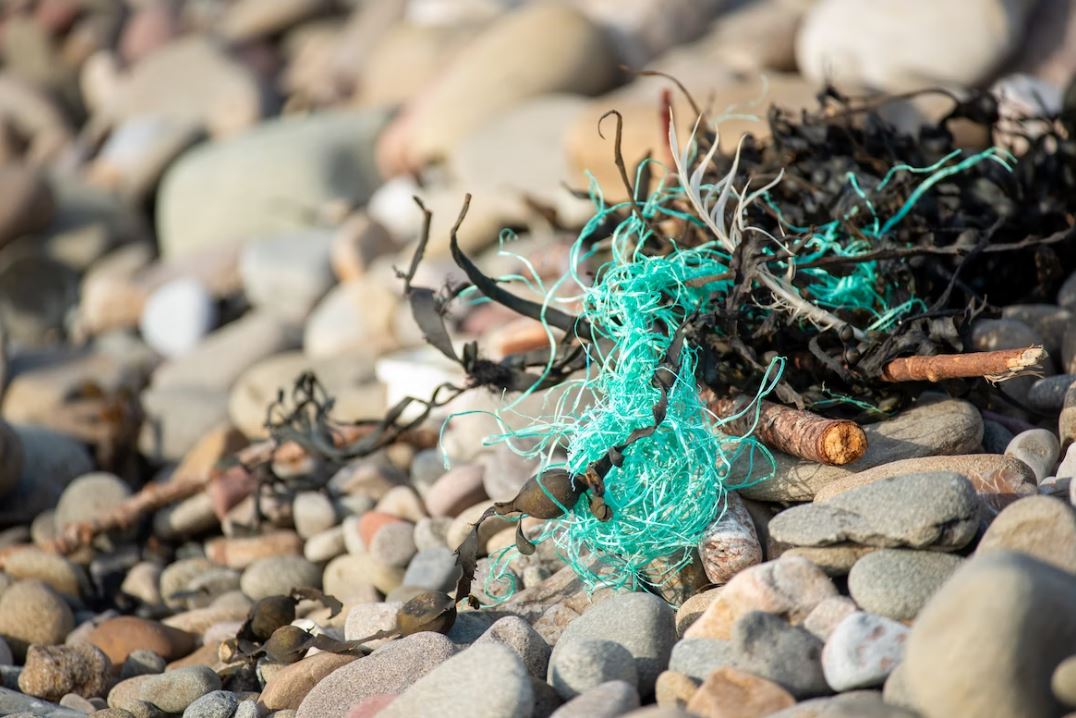
Tackling ‘ghost catch’ with circular and bio-based fishing gear
The global fisheries provide us with almost 20% of our animal protein and yet this vital part of our food system has a major plastic problem. As with so many economic sectors, fossil plastics changed the fisheries drastically in the…
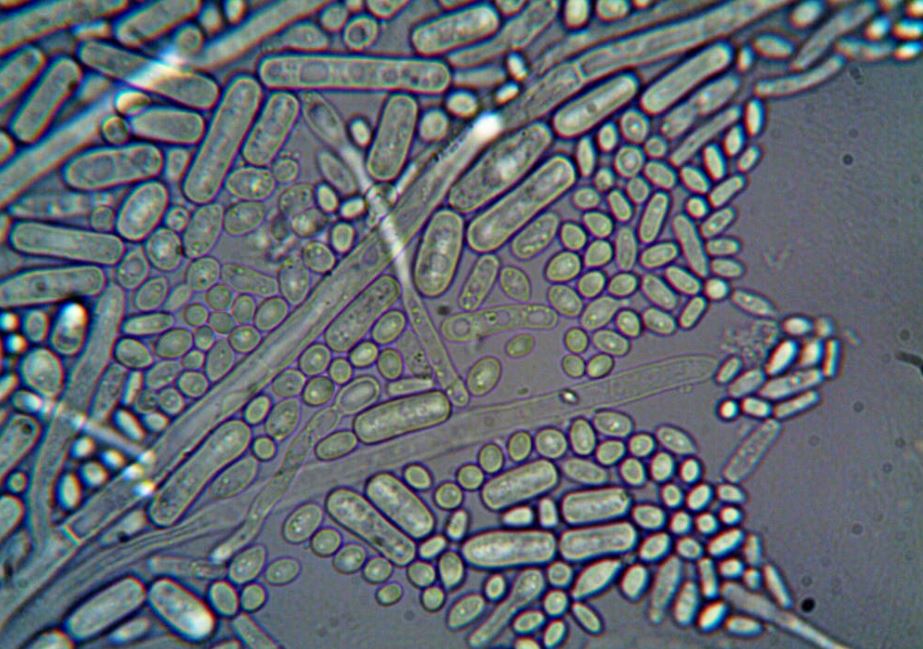
Probiotic architecture brings good bacteria to building design
Bacteria can make our buildings healthier. This is according to practitioners of microbial architecture, an emerging area of the bioeconomy at the intersection of architecture and microbiology.

EU bioplastics policy: progress and prospects
40% of all plastics consumed in the EU is for packaging. Without action the region is on track for a further 46% increase in plastic packaging waste.

Bio-based technologies in climate adaptation: food, water, and feedstock
Bio-based technologies and materials are often seen as tools for climate mitigation - as strategies to avoid greenhouse gas emissions and limit global warming.

Cities of grass: how bamboo buildings can advance climate goals
Large-scale concrete and steel structures have become potent symbols for human development. But the paradox of modern construction is that by shaping the environment to be hospitable to our needs, it has also contributed towards making the planet a much…
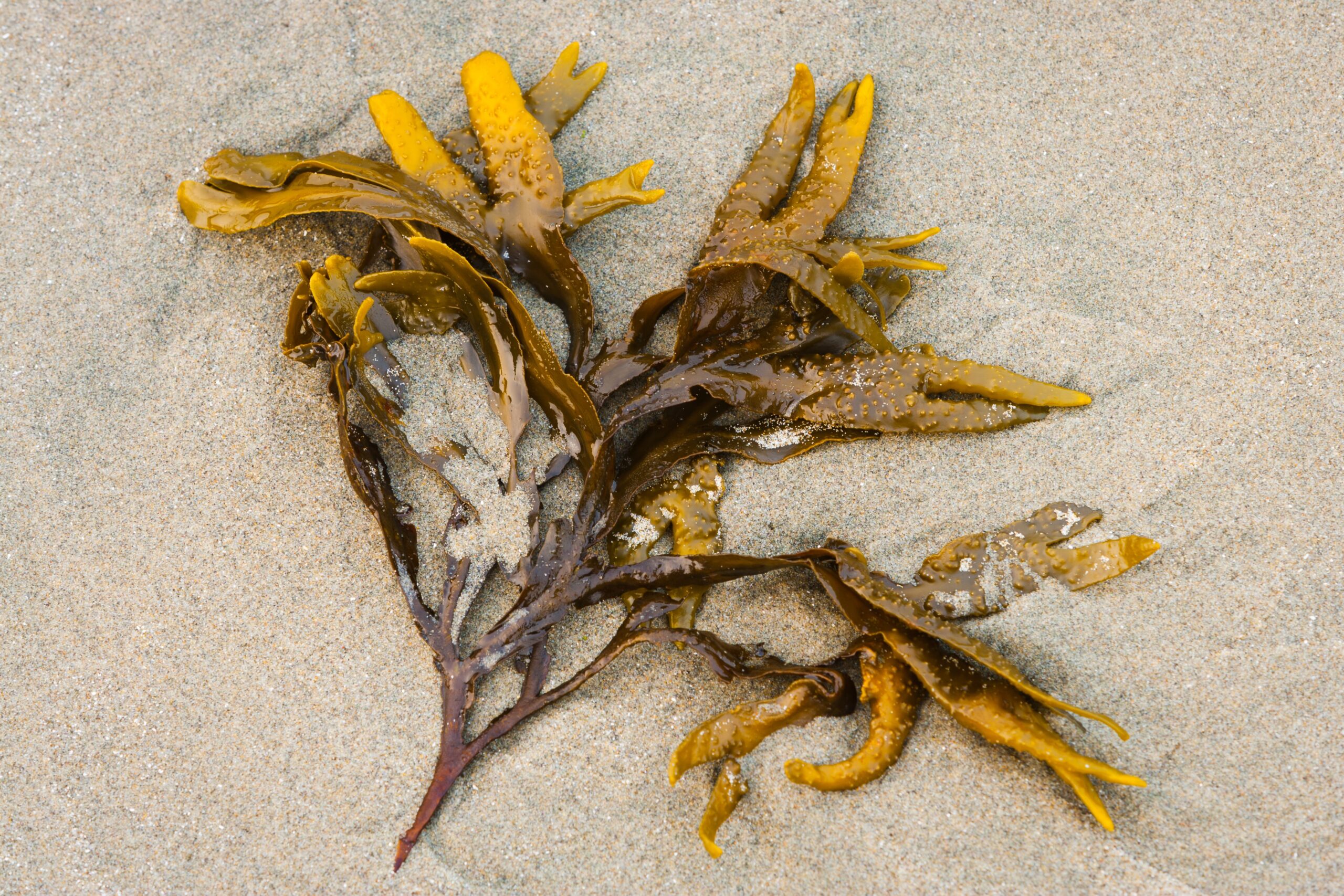
The EU boosts support for algae businesses
Algae is among most abundant, diverse, chemically rich, and low-input feedstocks. Bio-based startups working with these organisms have become targets of EU green investment over the last ten years and the EU Commission has supported at least 300 algae-related projects…