


Features

European horticulture is ripe for circularity
Horticulture is an essential part of Europe’s regional food and economic security. Greenhouse cultivation grants year-round yields even where degraded soils and poor climate limits conventional farming.

How can bananas build a more equitable bioeconomy?
As a rule of thumb, waste feedstocks are among the most sustainable inputs for making biobased materials. One kind with immense potential as an industrial input is banana industry waste. Fibres from biomass left after harvesting have the potential to…

Can Europe’s blue bioeconomy live up to its promises?
Europe has been pushing to grow its blue bioeconomy for years, including sectors that produce high value chemicals and materials processed from marine organisms. We look at the EU’s policies around this and the hurdles it faces in becoming a…

The return of bioplastics in 2023
2022 was the year of vegan and renewable textiles - the biobased segment that received among the highest financing rounds of the year. This year, things have shifted somewhat, with a swing back to packaging and bioplastics.
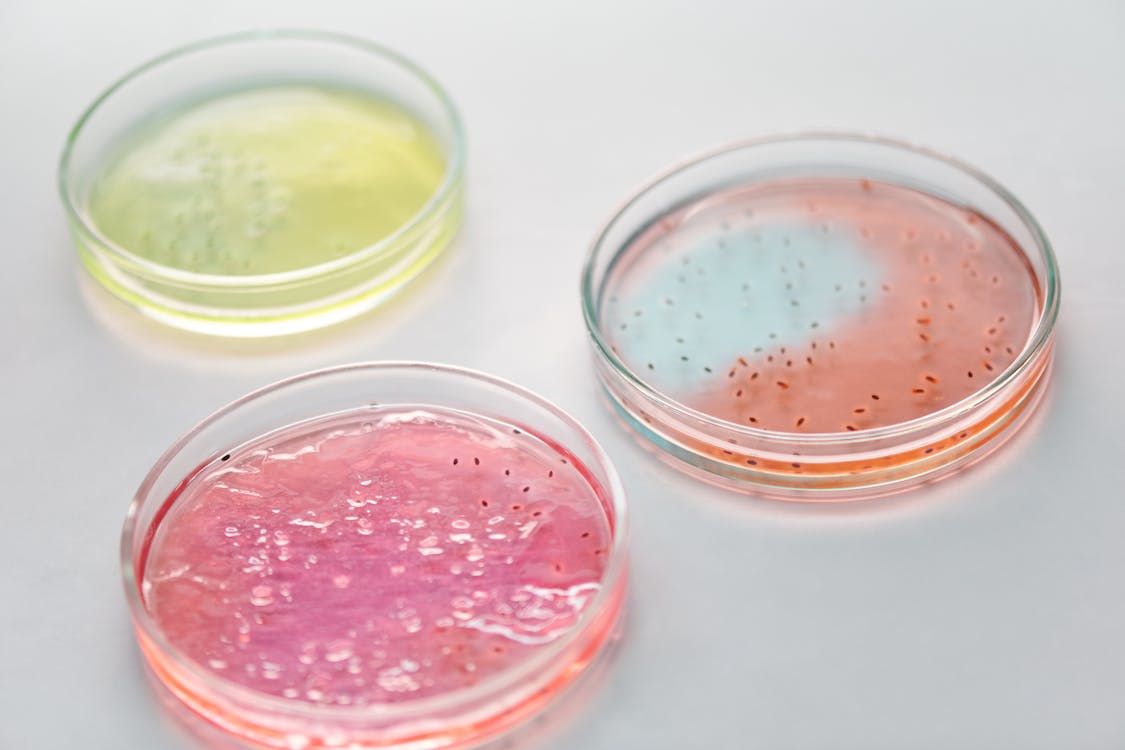
Microbe factories are turning waste into high-value circular goods
One of the most sustainable raw materials for chemicals and materials is organic waste. Energy has already been spent producing it, making it far more resource-efficient than any grown or extracted specifically for a target application.

How winemaking is going circular
Wine making is a relatively sustainable industry. Globally, however, it produces an estimated 13 million tonnes of waste per year, most of which is discarded. At this scale, even organic waste can unbalance the environment as decomposition can release considerable…