


Features
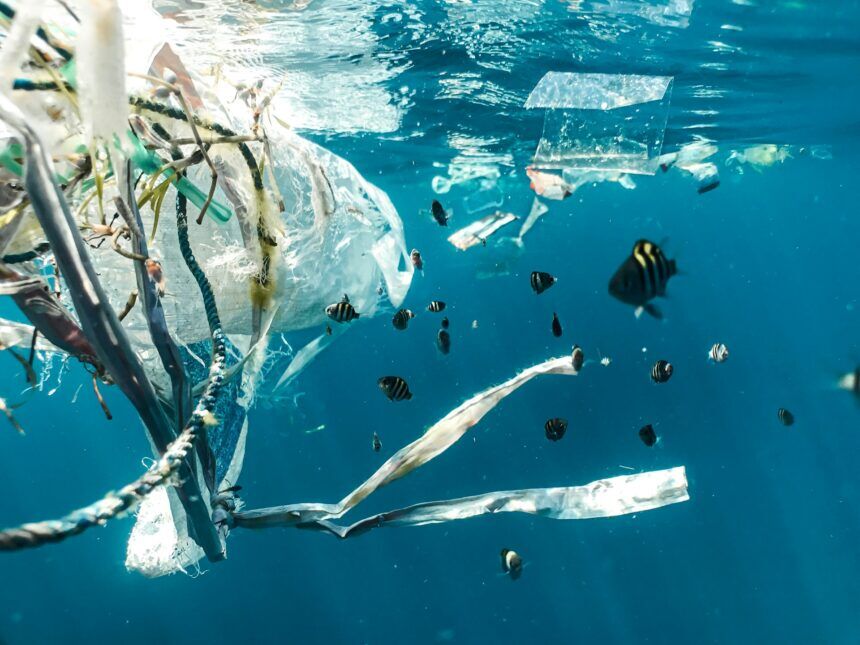
What does ‘biodegradable’ packaging really mean?
What does it really mean when a product is labelled as biodegradable? We explain the term and how it differs from ‘compostability’.
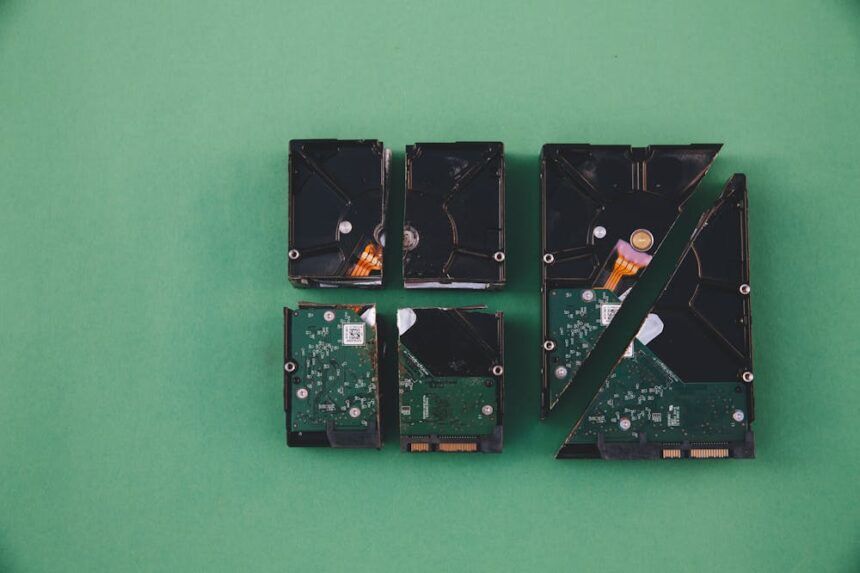
Why Europe should scale urban biomining
Urban biomining can unlock valuable metals in post-consumer waste, aligning with EU targets for critical minerals, economic revitalisation, and security

The new bio-polymers taking green chemistry by storm
What makes biobased vitrimers so special and how could they become commercialised?

Green gems: making jewellery from plants and waste
Jewellery made from plants or waste are appearing at all price points. We look at the creative possibilities offered by plant-based materials and how waste could be given a second life as shiny adornments.
Accelerating the shift from fossil to circular carbon
On 4 March 2025 Alfa Laval hosted an online Net zero event with experts on renewables and circular carbon, discussing how we can break this dependence on fossil carbon. Carbon is the cornerstone of the chemical, plastics and fuel industries.…
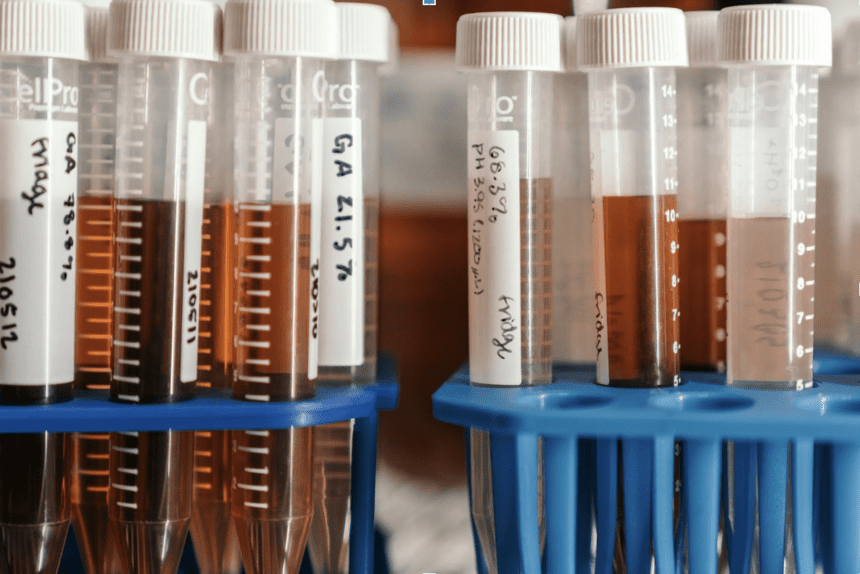
Enzymes and metal unlock plant feedstock in Solugen’s Bioforge
Solugen’s major innovation is a manufacturing tool named Bioforge that blends metal catalysts with enzymes to produce industrial chemicals from plants. We profile the company from its beginnings.