





Re-flooded peatlands could unite the bioeconomy with conservation
Peatland covers just 3% of global land surface but stores twice as much carbon as the world’s forests combined. Despite its rarity and importance, the habitat has on the decline…

How plants could make steel more sustainable
The world cannot meet climate goals without decarbonising steel-manufacturing, which adds 7.2% of total greenhouse gas emissions per year, with the fastest-growing rate of any sector. The main carbon culprits…

Are first-generation biofuels sustainable?
The sustainability of first-generation biofuels have attracted controversy, with questions around their true emissions savings and their impacts on other environmental metrics like water pollution and water consumption. We look…

The “keystone species” of the sustainable bioeconomy
Like every bioeconomy sector, the industries around biobased chemicals and biomaterials depend on the living world. Certain species hold immense importance in biobased supply chains - particularly crop species that…

France made composting compulsory. What does it mean for the bioeconomy?
From 1 January 2024, the French government made composting mandatory for every individual, household, and business in the country. Estimates say that 82 kilos of compostable waste is thrown away…

European horticulture is ripe for circularity
Horticulture is an essential part of Europe’s regional food and economic security. Greenhouse cultivation grants year-round yields even where degraded soils and poor climate limits conventional farming.

How can bananas build a more equitable bioeconomy?
As a rule of thumb, waste feedstocks are among the most sustainable inputs for making biobased materials. One kind with immense potential as an industrial input is banana industry waste.…

Can Europe’s blue bioeconomy live up to its promises?
Europe has been pushing to grow its blue bioeconomy for years, including sectors that produce high value chemicals and materials processed from marine organisms. We look at the EU’s policies…
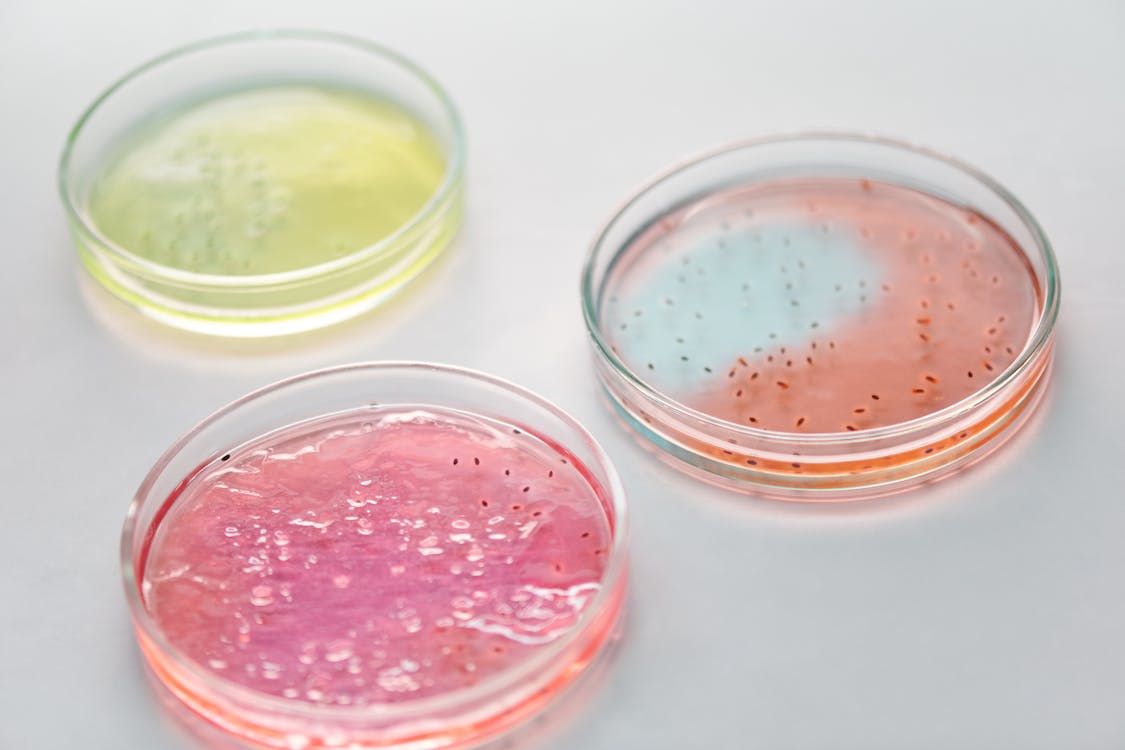
Microbe factories are turning waste into high-value circular goods
One of the most sustainable raw materials for chemicals and materials is organic waste. Energy has already been spent producing it, making it far more resource-efficient than any grown or…

How winemaking is going circular
Wine making is a relatively sustainable industry. Globally, however, it produces an estimated 13 million tonnes of waste per year, most of which is discarded. At this scale, even organic…

Bio Innovations Midwest 2024: Driving the Growth of Biomanufacturing
Omaha, 24th-25th September 2024. In a groundbreaking initiative set to catalyse the growth of biomanufacturing in the Midwest, World Bio Markets proudly announces the launch of "Bio Innovations Midwest." In…

The circular and biobased Christmas gift guide
Food, travel, lighting, and gifts over three days of Christmas festivities can have a hefty carbon footprint. A typical consumer can end up hitting 5.5% of their total yearly emissions…