


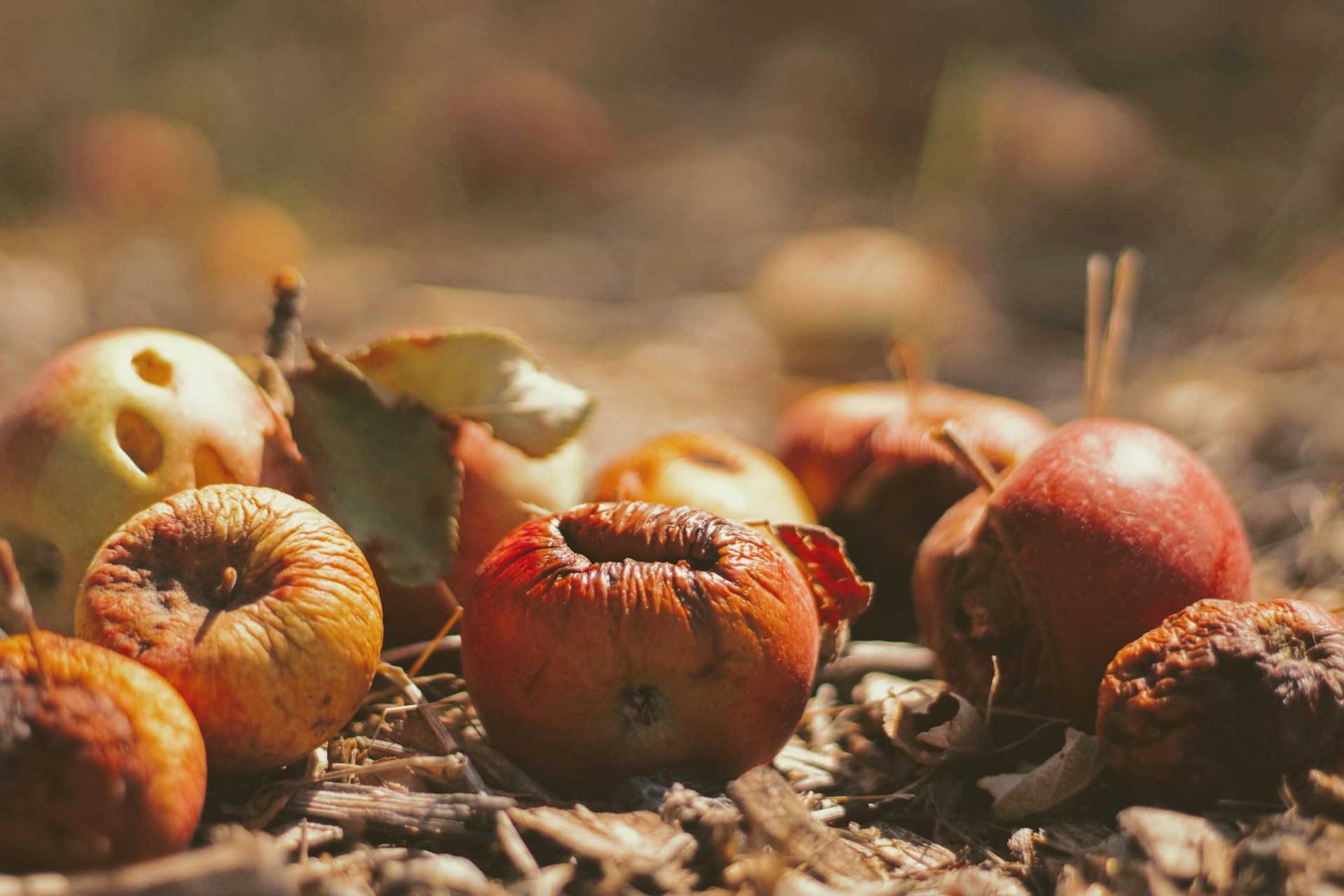
The most sustainable feedstocks for precision fermentation
Over the last several years, precision fermentation has attracted attention as a manufacturing methods that could drastically lower the environmental impacts of everyday products, from edible proteins to animal feed…
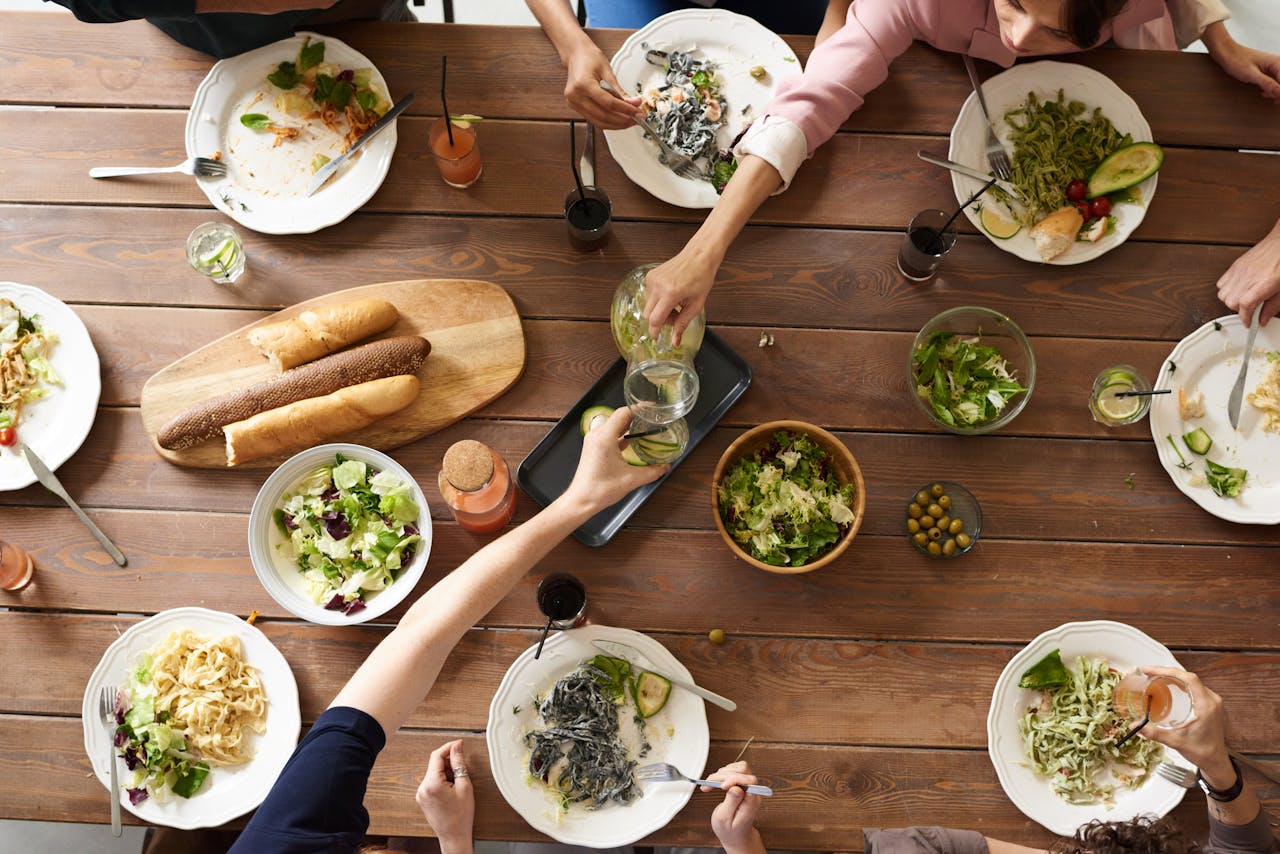
How circular restaurants take waste off the menu
Silo UK in London’s Hackney Wick is the best-known circular restaurant in the UK. The original concept was a ‘‘restaurant with no bin”, where all waste on-site gets used up rather…

What skills does the bioeconomy need?
Scaling the bioeconomy means new value chains and businesses demanding particular skill sets. While newer segments of the bioeconomy may revolve around lab-based innovations, scientists will not be the only…
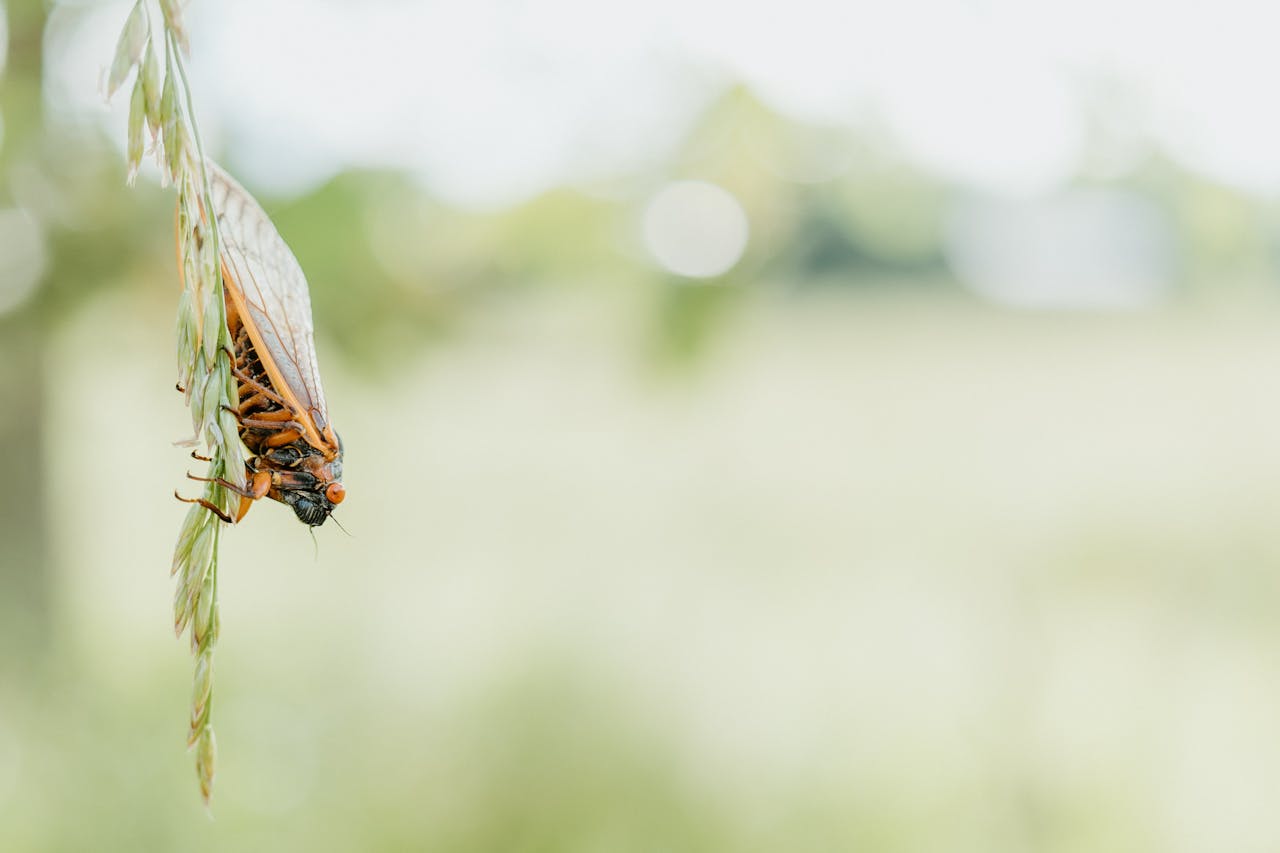
Insect wings, bodies, and brains in bio-inspired design
Insects are adapted to all kinds of environments thanks to the diverse materials which make up their bodies. Evolution has furnished these creatures with strong exoskeletons and intricately-shaped wings. Researchers…

Gene-edited protein fibre rival plastics on performance
Plastics are the king of industrial materials. So successful and wide-ranging are they that even the biobased sector has been devoted to developing plant-based replicas of them for almost imaginable…
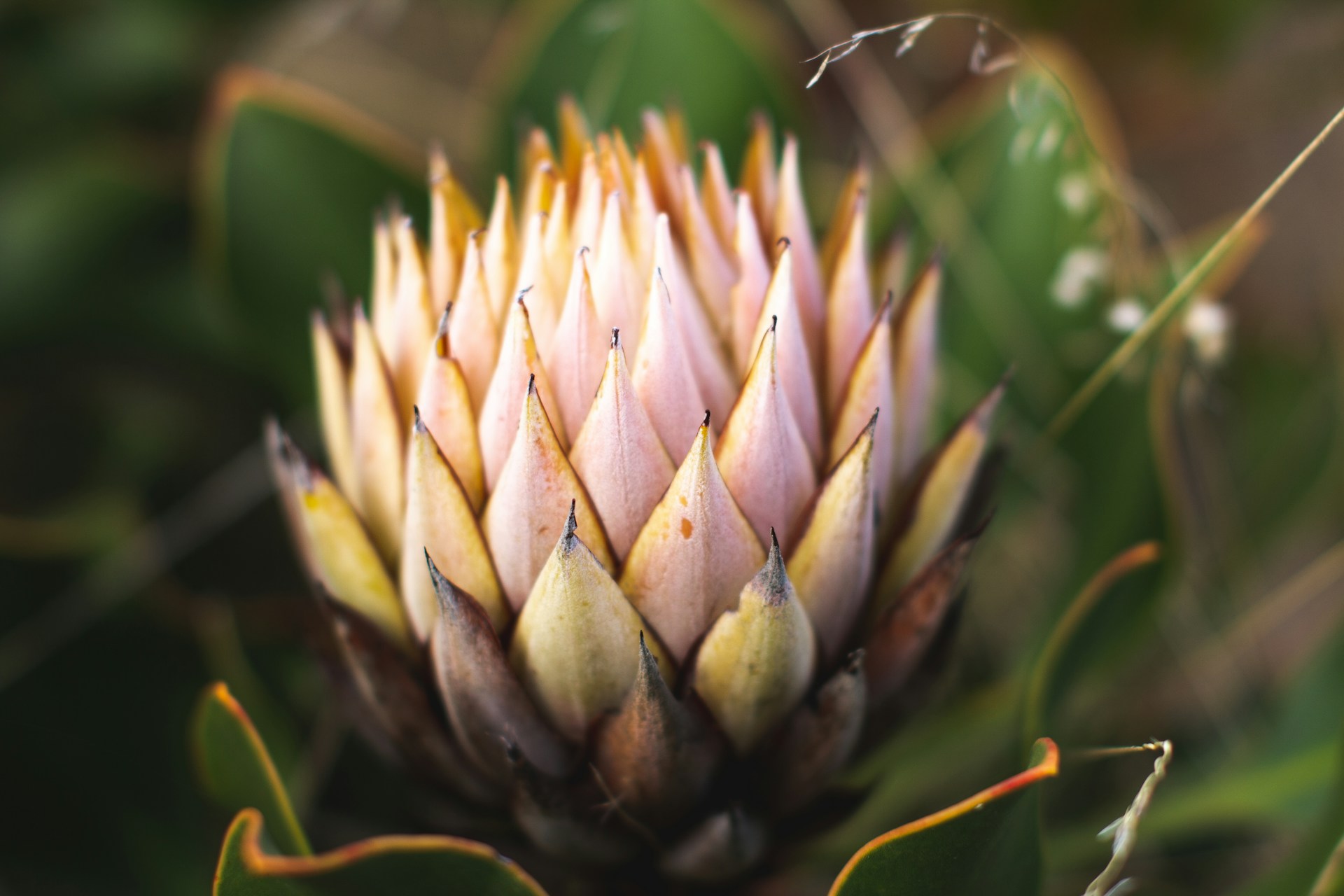
Where next for South Africa’s bioeconomy?
South Africa has immense bioeconomy potential if we look at its natural endowments alone. As one of the most biodiverse countries on the planet, it is full of genetic resources…

Urban biorefineries in the EU: from blueprint to implementation
Cities are overflowing with valuable biomass if you look in the right places: namely, in their sewage systems. The organic materials in urban wastewater can provide cheap, local, and abundant…

5 Minutes With… Professor Paul Freemont, Head of Structural & Synthetic Biology at Imperial College London
The bioeconomy is poised for significant growth, driven by advancements in distributed biomanufacturing. To ensure its success, researchers at Imperial College London, along with global collaborators, are calling for the…

A is for Algae: a bioeconomy glossary
Bioeconomy jargon can be confusing at the best of times, tripping up even those familiar with the sector. Here we run down what common keywords mean. Algae: Algae is an…

The UN takes stock of the global bioeconomy
April 2024 saw two UN releases on the bioeconomy: first, a seminar on urban circular bioeconomies from the UN Food and Agriculture Organisation and second, a UN Environment Agency (UNEP)…
Why does the bioeconomy need circularity?
Replacing petrochemicals with biobased materials can cut the environmental impacts of industry. However, circularity is just as important as renewable materials when it comes to building sustainability into supply chains.…
Central and Eastern Europe moves towards a higher-value bioeconomy
Hungary aims to develop the bioeconomy of Central and Eastern Europe (CEE) for its upcoming stint in the EU presidency. We take a look at what Hungary is planning, the…