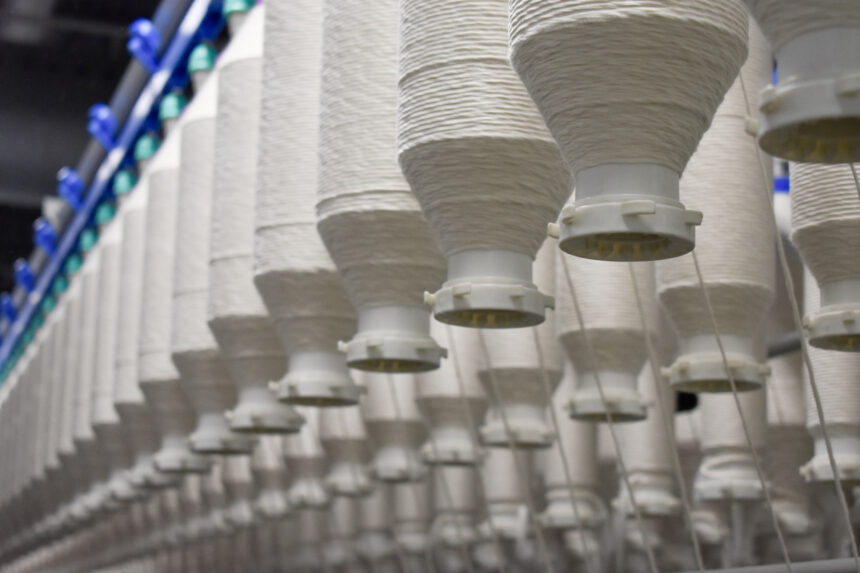
Parkdale Advanced Materials, a textile and consumer products manufacturer in Gastonia, North Carolina, has acquired full ownership of CiCLO technology.
CiCLO is a biodegradable textile ingredient. It is designed to reduce how long microplastic fibers persist in the environment.
Conventional polyester and nylon are built to last. Synthetic textiles can shed microplastic fibers during manufacturing, use, care and disposal. Those fibers can persist for centuries.
CiCLO works at the fiber level. The patented technology is added to polyester or nylon during fiber manufacturing. It creates pathways within the fiber. Naturally occurring microorganisms can then mineralize the polymer in biologically active environments.

The company says the technology has been tested with ASTM and ISO standardized methods. Conditions included seawater, soil, wastewater sludge and biologically active landfills. It is designed to preserve manufacturing efficiency, dyeability, durability and recyclability.
CiCLO polymers can be used with virgin, recycled, bio-based and textile-to-textile feedstocks. They also work with natural-fiber blends and other compatible textile technologies.
The technology is already used in apparel, home and hospitality textiles. Parkdale plans to extend it to nonwovens, geotextiles, filtration, insulation and furnishings.
Davis Warlick, chief operating officer of Parkdale, said the company will keep investing in the technology and develop applications with customers. Cheryl Smyre, vice president of Parkdale Advanced Materials, said the focus is expanding adoption among current brand and supply chain partners. She added that microplastic pollution does not depend on its source, so CiCLO should reach beyond traditional textiles.