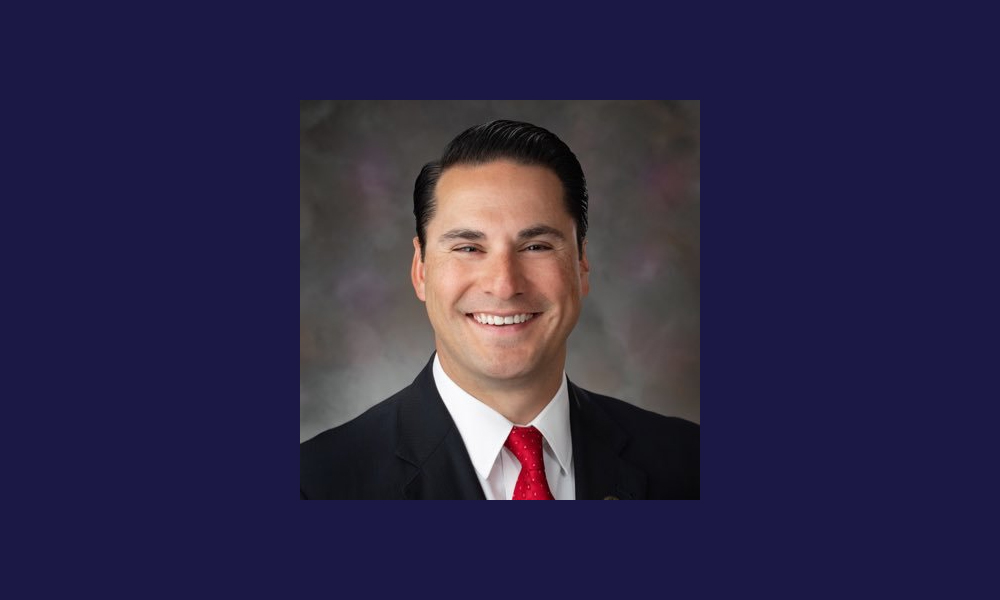
In this interview, we speak with Cicely Wardyn, Policy Advisor to Governor of Nebraska Jim Pillen, ahead of Bio Innovations Midwest on 15-16 September in Omaha.
Can you speak to how Nebraska’s strengths (agriculture, manufacturing, and logistics) are aligning to grow the bioeconomy?
The backbone of the state is agriculture, we have more efficient systems of agriculture production than anywhere on the planet. Because of this, Nebraska has attached several value-added agricultural industries like meat processing facilities and ethanol plants. The Bioeconomy is simply another element of outgrowth from the core of what Nebraska does best, agriculture. Bioeconomy initiatives can find homes as bolt-on additions to existing ethanol plants, or find the workforce and expertise to incubate new innovations. Nebraska is also geographically in the heart of the country and has interstate, railway, and waterway interconnections to move product to every corner of the nation or globe.
Governor Pillen made the bioeconomy a strategic priority- how is this initiative preparing Nebraska for the future?

It’s an attempt to prioritize on our existing strengths as a state. The bioeconomy offers a chance for more advanced industries to grow on the success we have had in agricultural production, and it gives the next generation the opportunity to get career opportunities close to home. Too often, Nebraska’s best and brightest have to leave the state to find careers. Because of the great education they have received, leveraging the advanced manufacturing and engineering skills required for new bioeconomy endeavors, these will be careers that can now be located in rural areas.
What do you think sets Nebraska apart from other states when it comes to industrial biomanufacturing?
Innovation. Nebraska has always had to innovate, as it did not rain enough in this part of the Great Plains to reliably produce a crop. Nebraska farmers invented irrigation and Nebraska policy makers forged the political structure necessary to protect our groundwater supply and have it be available for generations of use and production.
Nebraskans continue to innovate and hopefully we have created a culture and regulatory climate that is attractive to entrepreneurs looking to try out or scale their innovations.
How does this initiative fit into the broader goals of rural development and value-added agriculture?
I touched upon this earlier, but the opportunity for high-salaried careers in rural places that require advanced degrees will allow those who would otherwise be stuck in a bigger city to enjoy more of The Good Life, in areas located nearer agricultural processing facilities.
Can you describe the role policy plays in unlocking private sector innovation in this field?
Working with companies to ensure proper compliance with required permitting helps. We want our state agencies to make sure companies are compliant with all environment and health and safety requirements, but we want to work with applicants to ensure their applications are complete and help them problem solve along the way. Ensuring timely turn-around for permits and creating certainty in the regulatory space really helps companies move forward with their vision.
What are your hopes or goals for this year’s Bio Innovations Midwest?
I hope the event this year serves to highlight the advantages of locating in Nebraska, and the enthusiasm and support they would have in the state. I also hope that it acts as a great networking event to bring in folks that might help those innovating scale up or look for investors to get great projects launched.
What does success look like for Nebraska’s bioeconomy in the next 3-5 years?
Would love to see a variety of projects being scaled up across the state. Success cannot be marked by a handful of large projects alone, but creation of an ecosystem of innovation that attracts tops minds from the entire country.