Vietnam is gearing up to launch E10 biofuel nationwide on June 1, but the country faces a substantial supply gap as major fuel distributors and refineries rush to prepare.
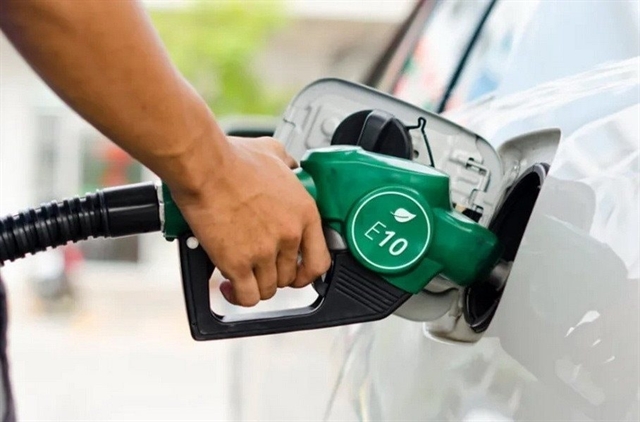
E10 is gasoline blended with 10% ethanol, a renewable fuel that reduces fossil fuel dependence. Vietnam’s six ethanol plants can produce about 600,000 cubic meters annually. That covers only 40% of the 1.5 million cubic meters needed each year for nationwide E10 production, according to the Vietnam Biofuels Association.
The shortfall puts pressure on Vietnam’s cassava supply. The country grows cassava on nearly 600,000 hectares, yielding over 10.5 million tons of fresh roots yearly, but fragmented farming and low productivity have created raw material bottlenecks.
Experts are pushing for alternative ethanol sources including corn, rice bran, agricultural waste, and low-grade rice. Better cassava varieties and stronger contracts between businesses and farmers could also help stabilize supply.
Petrolimex, one of Vietnam’s largest fuel distributors, operates seven biofuel blending depots and is lining up ethanol from domestic producers as well as the US, South Korea, Singapore, and the Philippines. The Dung Quat Oil Refinery expects monthly ethanol demand to hit 300,000 cubic meters and has upgraded its blending systems to handle the volume.

Technical hurdles add complexity. Vietnamese standards cap oxygen content in E10 at 3.7% by mass, which means refineries need base gasoline with zero oxygen. Domestic production only meets 60% of that demand, forcing costly imports to cover the rest.
Industry officials say stable raw material supplies and sensible pricing during the initial rollout will make or break the transition.