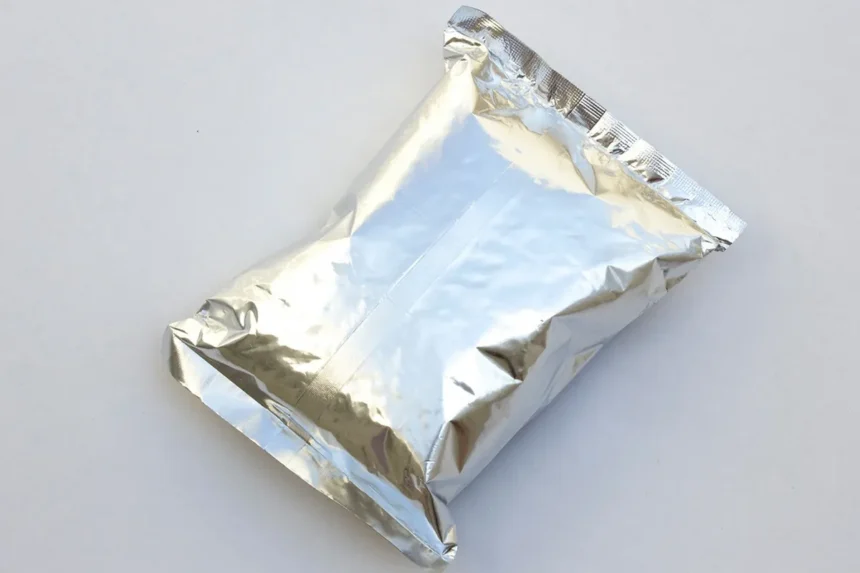
Researchers evaluated 15 weed species growing west of Brisbane for their potential use as biomass pellets, a form of solid biofuel. Lead author Dr. Bruno de Almeida Moreira from UQ’s Queensland Alliance for Agriculture and Food Innovation identified two vines—Brazilian Nightshade and Climbing Asparagus—as suitable candidates.
The research was published in Sustainable Energy Technologies and Assessments.
Dr. Moreira explained, “Historically, the international pellet market has focused on forest biomass. However, Australian regulations do not classify wood pellets as renewable energy.”
He added, “We are exploring alternative biomass sources that can produce pellets of similar quality to forest-based options. These weeds contain about 25% lignan, a key component, making them competitive with traditional wood biomass.”

Another significant finding was the potential to produce market-grade pellets from these weeds. This means pathways exist for converting weeds into biofuels that meet commercial standards and can be sold.
The pellets were produced by Ipswich startup WorkEco, with funding support from an Australian Government seed grant through the Strategic University Reform Fund (SURF).
Study co-author Associate Professor Sudhir Yadav, leader of the AgriSustain lab, emphasized the environmental benefits of this research. “Reducing the environmental footprint of agriculture and developing sustainable energy sources is crucial,” he said.
He noted that agencies like the Australian Renewable Energy Agency predict bioenergy could supply 20% of Australia’s energy demand by 2050. “This is an ambitious but achievable goal,” Dr. Yadav stated.
He also explained ongoing efforts to convert low-value biomass, such as crop stalks, straw, wood chips, and animal manure, into useful products.
Dr. Yadav highlighted that the project is still in early stages. “Many more weed species need testing, but environmental weeds will eventually become a limited resource,” he explained. “We are also exploring other biomass sources, including green waste and broadacre crops like sorghum.”