A team of university and industry researchers has received funding from the U.S. National Science Foundation (NSF) to develop durable and reusable bioplastics. Made from locally available raw materials like corn, sugar, or agricultural waste, they could also help strengthen U.S. supply chains and manufacturing.
Karthik Sankaranarayanan, an assistant professor at Purdue University, explained that the team received a $7 million grant to develop special enzymes. These proteins speed up chemical reactions, transforming biomaterials into biodegradable plastics. The goal is to create bioplastics called polyhydroxyalkanoates (PHAs) that are strong, flexible, and environmentally friendly.
“Most plastics today come from oil or gas, often imported,” Sankaranarayanan said. “We want to use local materials, like those common in Indiana, to produce bioplastics instead.”
A key advantage of these bioplastics is their recyclability. Sankaranarayanan said, “PHAs can be broken down into their building blocks and reused repeatedly, making them infinitely recyclable.”
However, PHAs can be fragile and may not withstand high temperatures, limiting their use. The project aims to improve their strength and heat resistance by adjusting their chemical structure. This could open up applications like packaging or medical devices.
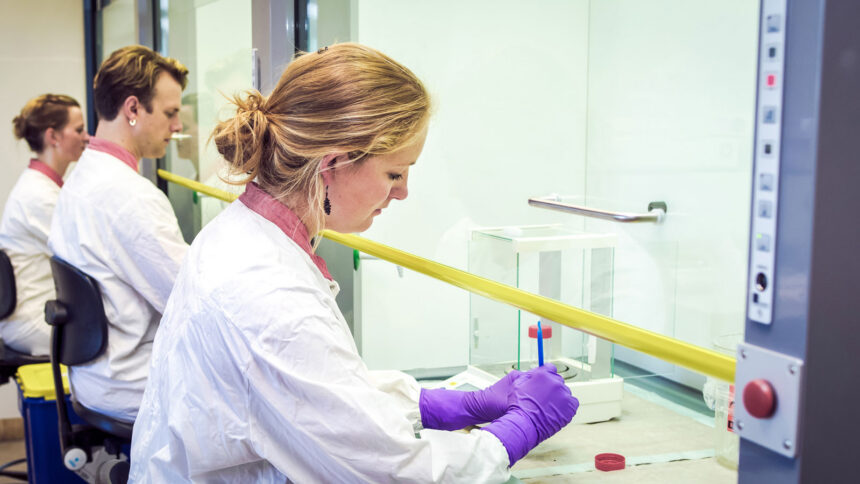
The research focuses on biocatalysis: using enzymes to produce bioplastics in a clean, efficient way without harsh chemicals. One challenge involves enzymes called polyketide synthases (PKSs). These can create complex molecules but are difficult to adapt for industrial bioplastic production. The team is working to modify their reactions and improve enzyme stability for large-scale manufacturing.
Twist Bioscience, a partner in the project, helps overcome DNA-related challenges in enzyme engineering. Their technology can handle complex genetic sequences, turning difficult processes into routine production.
This effort aims to create stronger, more sustainable plastics from local resources—helping reduce plastic waste and build a more resilient manufacturing future.