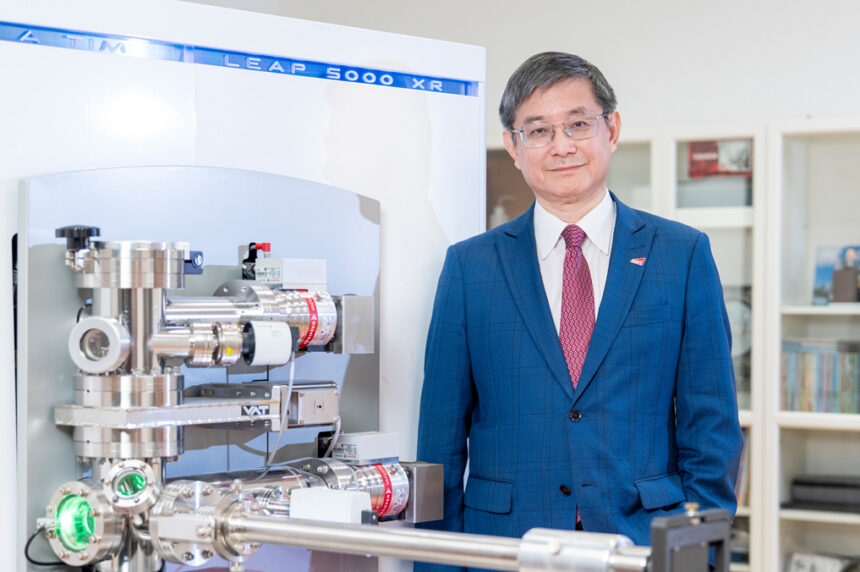
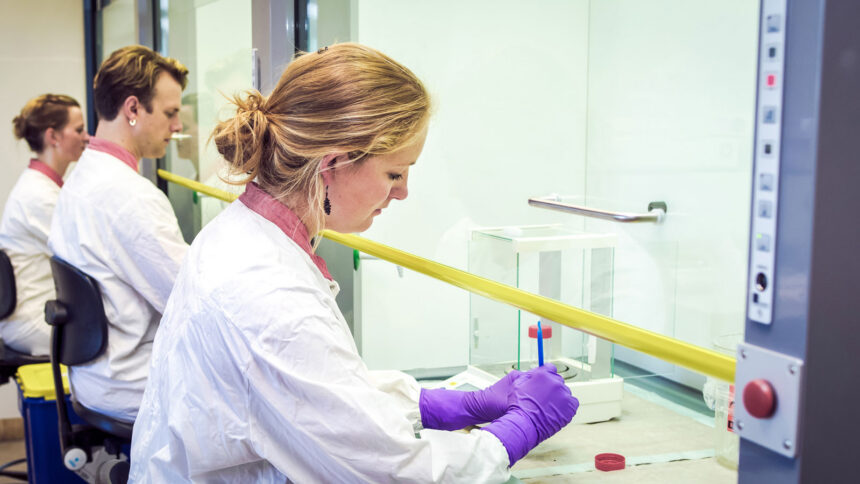
Digital technologies are revolutionizing food production, processing, and development. Tools like biosensors and machine learning boost efficiency and sustainability. Dr. Biniam Kebede, a new professor at the Ontario Agricultural College, leads the Food Bioprocessing and Data Science Lab. His work combines ancient fermentation techniques with modern digital innovation.
“Fermentation is a natural, sustainable food processing method,” says Kebede. “But most still rely on trial and error. Data-driven approaches are needed to speed up R&D and innovation.”
Kebede joined the University of Guelph in December 2024, after working at the University of Otago and earning a PhD from KU Leuven. His research focuses on creating bioactive and flavor compounds from underused plant materials and agri-food byproducts using fermentation, multi-omics, and AI.
His lab aims to improve fermentation predictability, optimize raw materials, and develop scalable, cost-effective solutions. The goal: turn waste into high-value, clean-label ingredients, reducing food waste and supporting sustainability.
“One project uses fungal fermentation to convert industry side streams, like wheat or brewing waste, into proteins, flavors, and health compounds,” Kebede explains. “This process gives new life to materials that would otherwise be discarded or used as animal feed.”
Kebede’s team is developing plant-based meats with better protein, flavor, and texture by adding fermentation-derived ingredients. The aim is to make nutritious, tasty, and affordable options that also reduce environmental impact. “Our research helps create plant-based products consumers want to eat,” he notes. “It’s about taste, health, affordability, and sustainability.”
Supported by NSERC, Kebede’s program will train nine highly qualified personnel, emphasizing diversity and inclusion. Trainees will gain expertise in food bioprocessing, science, and machine learning to lead innovation in Canada’s agri-food sector.
“Our goal is to foster scalable, sustainable innovation,” Kebede says. “Fermentation and digital tech will unlock their full potential to transform food systems.”