


Technology

Fraunhofer Institute develops biobased adhesives to enhance box sustainability
Researchers at the Fraunhofer Institute for Applied Polymer Research (IAP) are advancing the development of environmentally friendly, biobased adhesives for folding boxes, commonly used to package products like cereals, electronics, and medications. And while folding boxes made from paper and…

Researcher develops vegetable biobased resins for 3D printing
Julius Adeyera, a manufacturing engineer at Georgia Southern University, is leading research on converting vegetable oils into biobased resins that can be used in 3D printing. This initiative targets sustainability within the manufacturing sector. The new resins are derived from…

Nofima explores algae as sustainable replacement for fish oil in salmon feed
A recent initiative by Nofima has investigated the feasibility of using microalgae as a sustainable substitute for fish oil in salmon feed. This research is part of the broader Millennial Salmon project, which seeks innovative solutions in aquaculture. The concept…
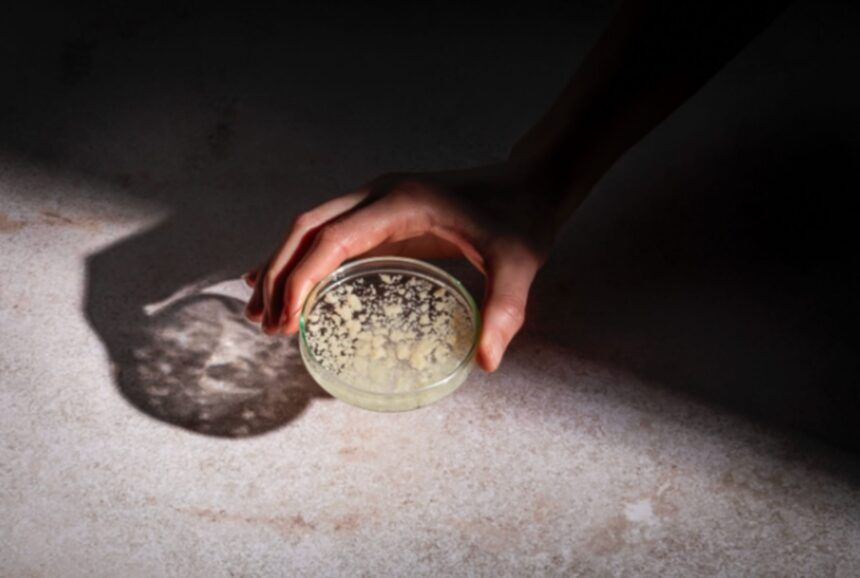
Start-up develops new mycelium-based dairy cheese
Infinite Roots, a biotechnology start-up specializing in sustainable food alternatives, has announced a partnership with Hamburg University of Technology to create a technology that utilizes whey for mushroom mycelium fermentation. This initiative aims to address the absence of casein and…
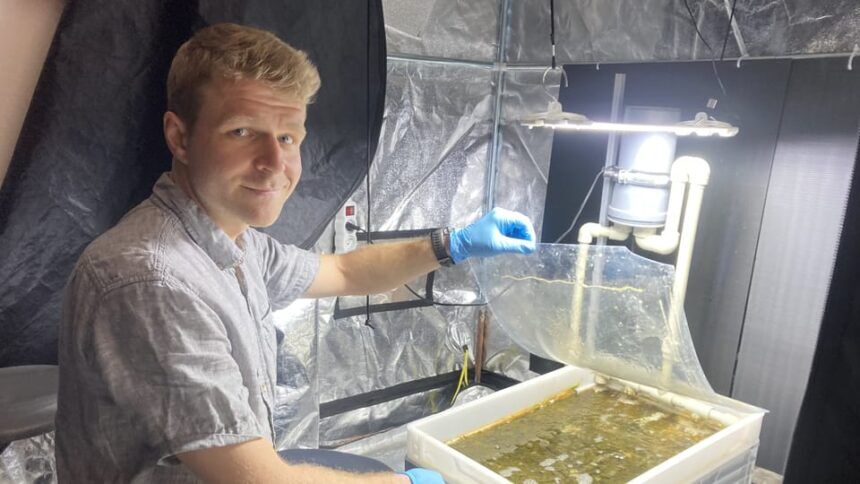
Mendel University researchers develop algae-based water purification system
Researchers at Mendel University in Brno, Czechia are working on innovative algae cultivation techniques aimed at removing fertilizers and pharmaceutical residues from water. Their experiments using specialized bioreactors are showing effective results in laboratory settings. Jan Veselský, a member of…

Development of sustainable and hypoallergenic biorubber, biolatex and other bioproducts from new crop Taraxacum kok-saghyz (TKS)
Dr. Anvar Buranov, President/CEO, Nova-BioRubber Green Technologies Inc., Surrey, BC, Canada. Global interest in the commercialization of rubber plant Taraxacum kok-saghyz (TKS) to extract valuable hypoallergenic bioproducts in a sustainable way has increased significantly. TKS contains up to 24% biolatex/biorubber,…