




Insights
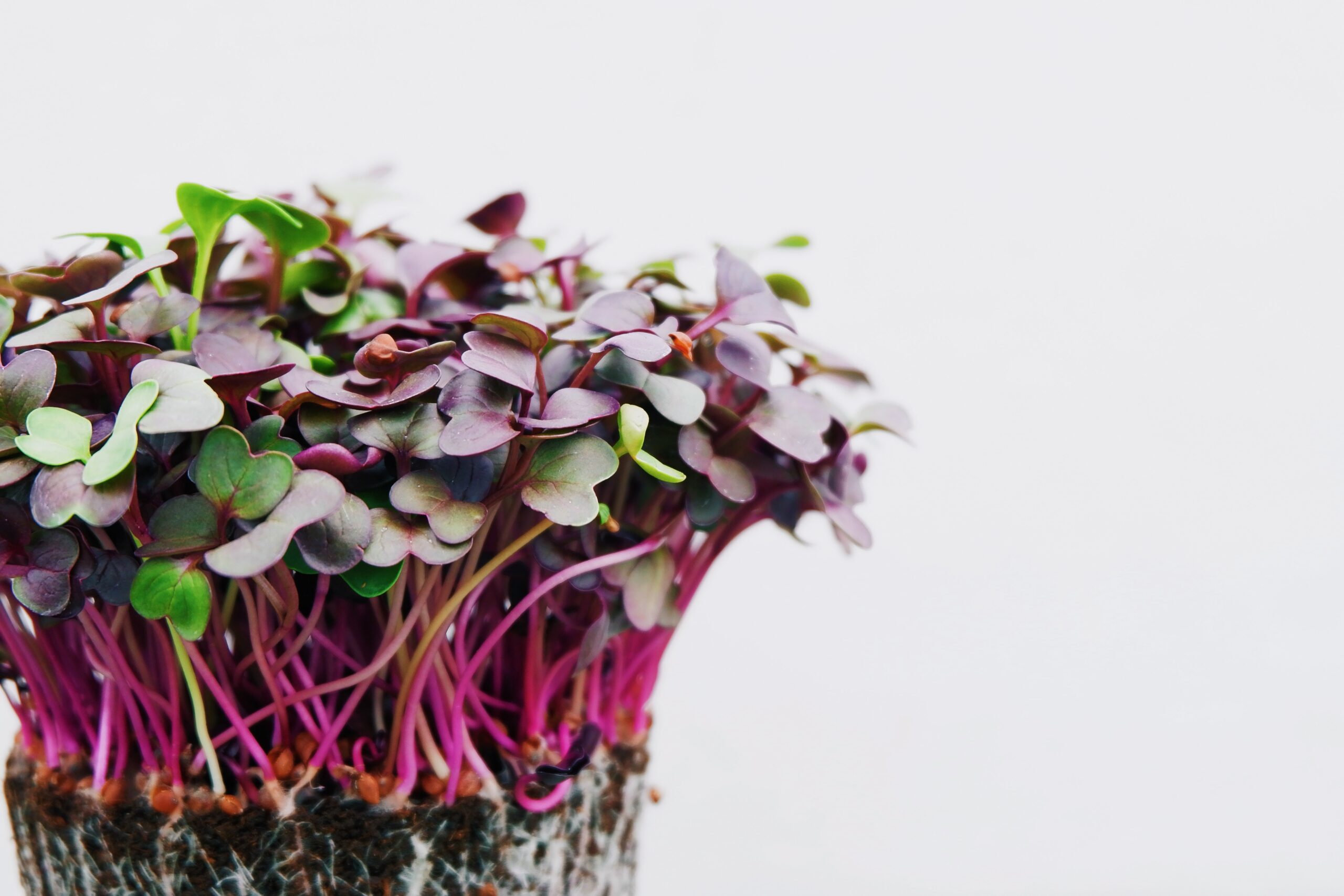
Can bio-based agtech feed the world? These microbial start-ups say yes
Achieving sustainable food production for a growing world population will be one of the greatest challenges of the coming century. A fundamental part of this will be reducing our dependence on synthetic, fossil-based fertilisers and pesticides.
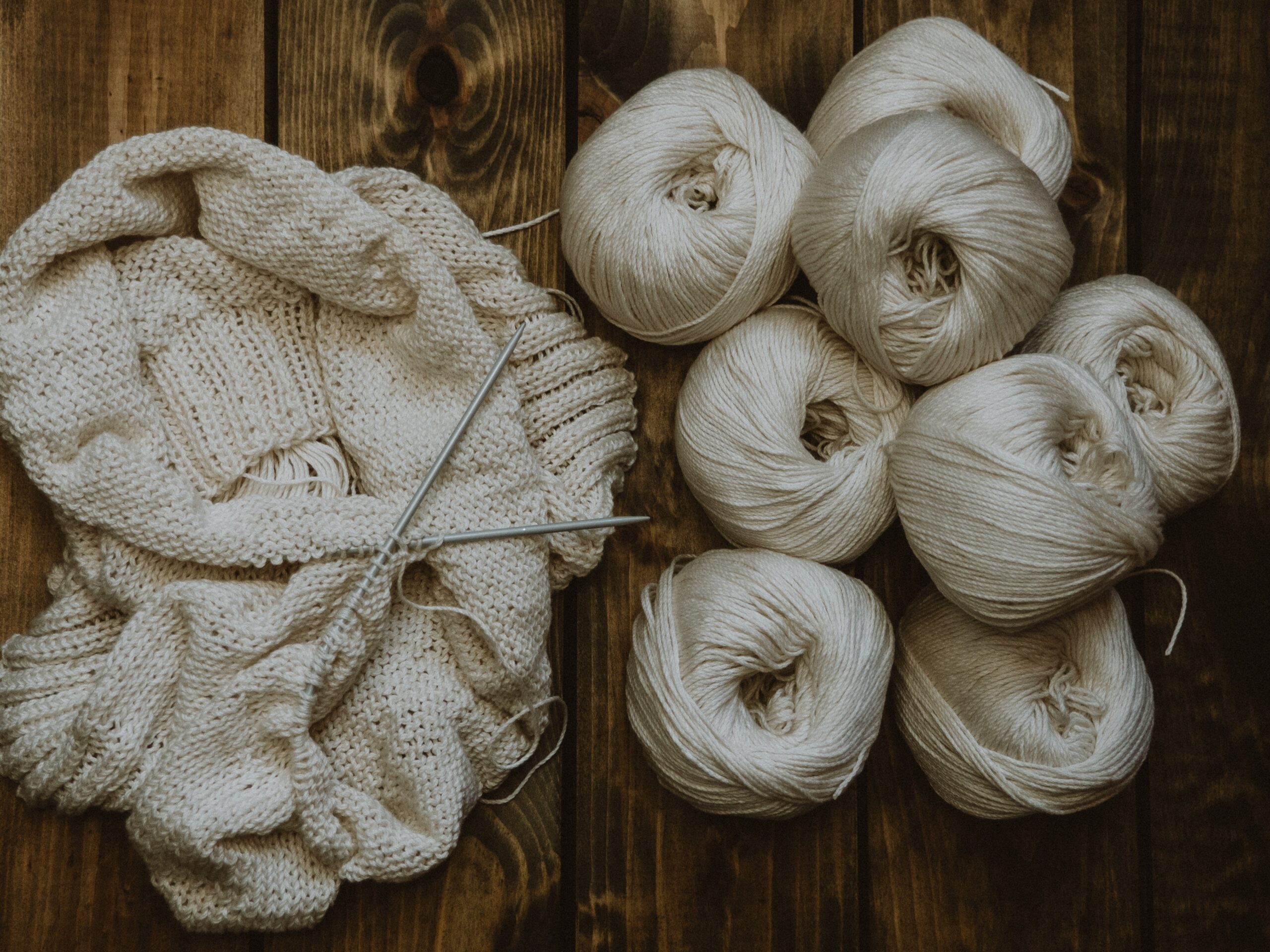
Recycling startups tackle cotton’s environmental toll
Cotton is one of the world’s most popular and oldest biomaterials, accounting for around a quarter of all textile production. Yet its future as a cheap clothing staple is now in question as overproduction fuels environmental breakdown.
The chitosan packaging industry is only just beginning
In 1823, a scientist named Antoine Odier created a hornlike material after treating a beetle with potassium hydroxide. This was one of the earliest discoveries of chitin, a polysaacharide found in many animal, plant, and insects. It is the second…
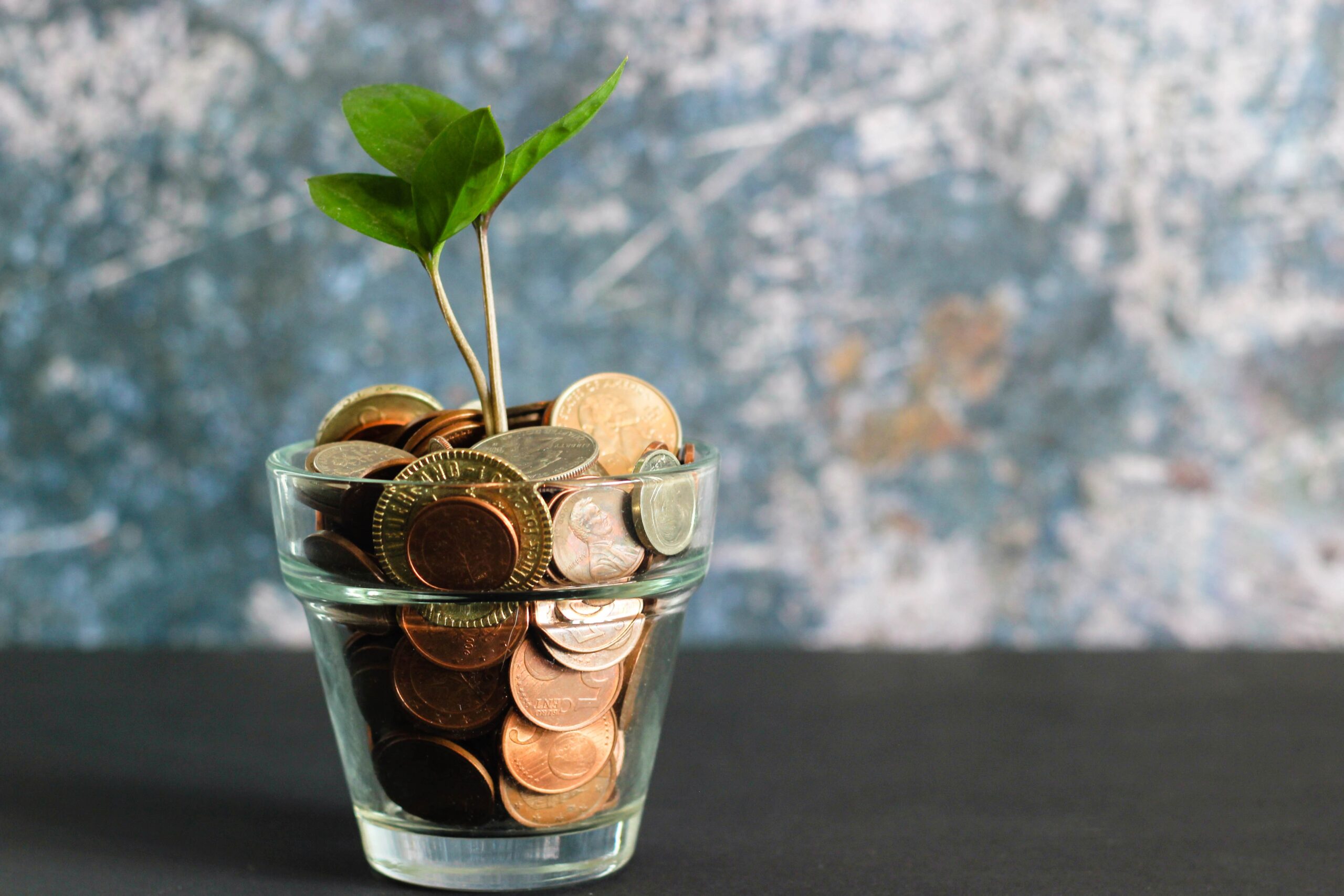
Natural Capital Banks and why the bioeconomy needs them
Historians looking back on the first half of 2022 will likely zero in on two themes: the scramble among central banks to stem inflation and the record-shattering heatwaves that pulsed across China, Europe, Africa, and North America.

The strongest biomaterials in the world
Limpets have 1, 920 teeth on their radula, the tongue-like appendage they use to scrape food off rocky surfaces. These teeth are made from common organic materials - chitin and goethite – but the compounds are arranged in ways that…

China’s bio-based future
In 2021, the Chinese Academy of Agricultural Sciences (CAAS) unveiled a new method for making animal feed from CO and nitrogen with Beijing Shoulang Biotechnology Co., Ltd. From 2021, the team partnered with a steelmaker to convert the plant’s tail…