




Features

Soil: the bioeconomy’s forgotten asset
Without soil, there is no feedstock. Without feedstock, no renewable materials. Yet despite its importance in the bioeconomy, soil health has historically been neglected by the industry and its consumers, particularly when compared to the issue of carbon emissions.

How can green packaging capitalise on the e-commerce boom?
The e-commerce boom has been one of the biggest mega-trends shaping business and retail over the last half decade. Shopify predicts it’s far from over, saying that around a fifth of global retail sales will be made online by 2026.

The biofuels oil rush
Last week, World Bio Market Insights reviewed developments in the biofuels industry in 2022. It noted continued growth in global biofuels production despite many countries falling back on fossil fuel reserves as an energy security measure.
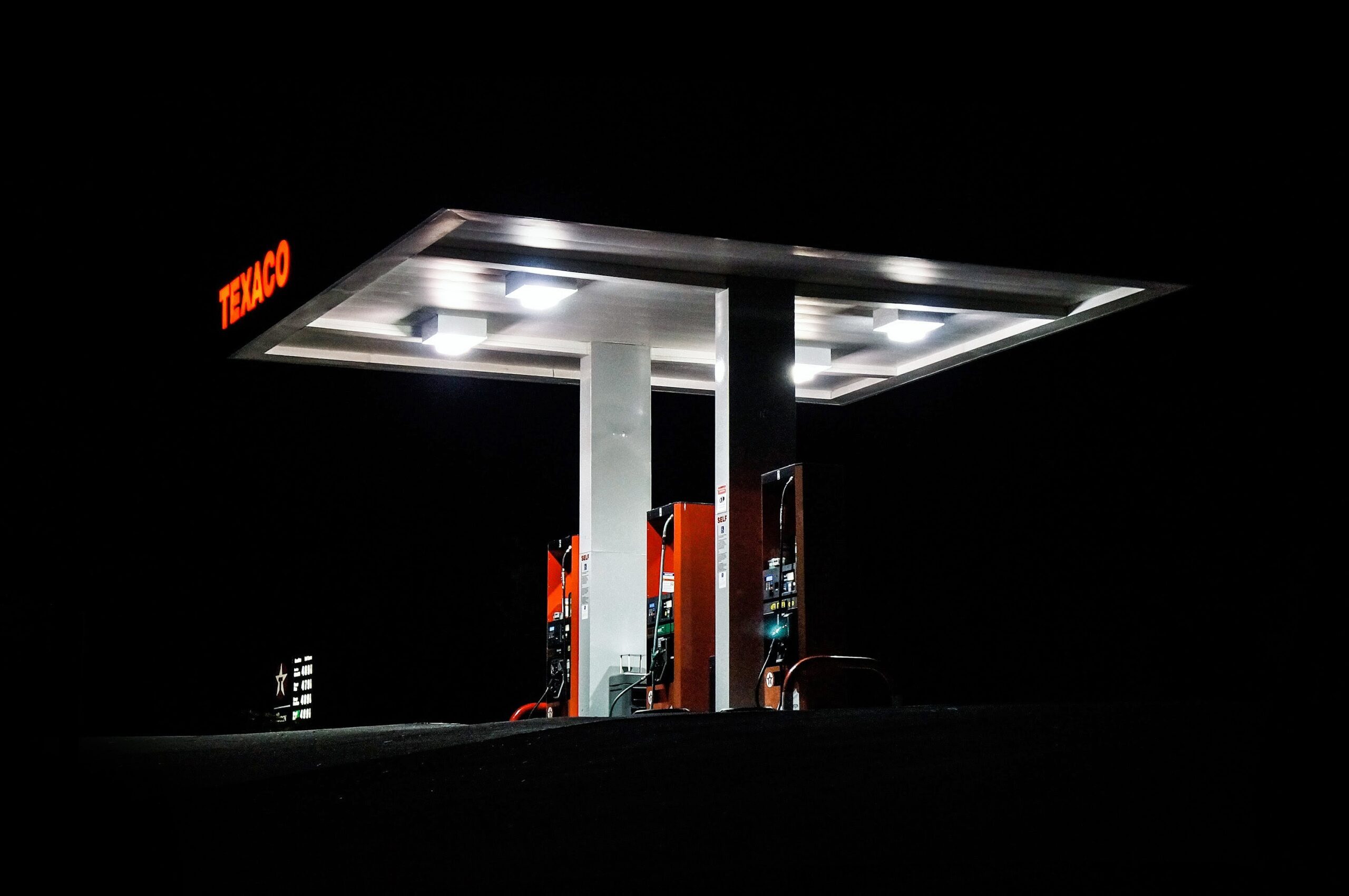
Was 2022 A Pivotal Year For BioFuel?
The importance of energy to domestic and international politics became more visible than ever before between 2020 and 2022.
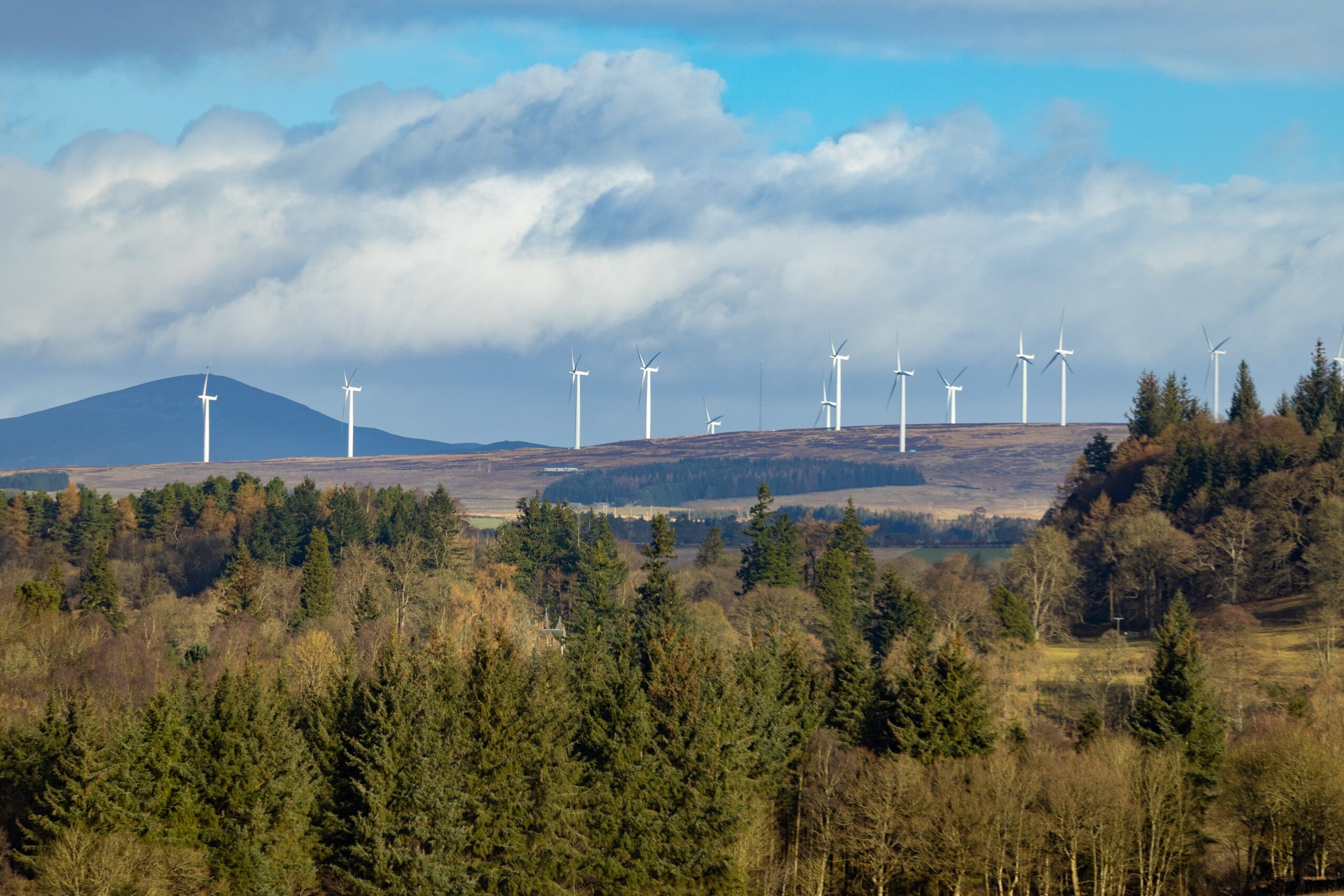
Crab-shell and tree bark batteries herald greener renewable energy
Lignode® by Stora Enso is a battery material unlike any we use today. It is a type of carbon that can be fashioned into negative anodes, an integral component of lithium batteries.
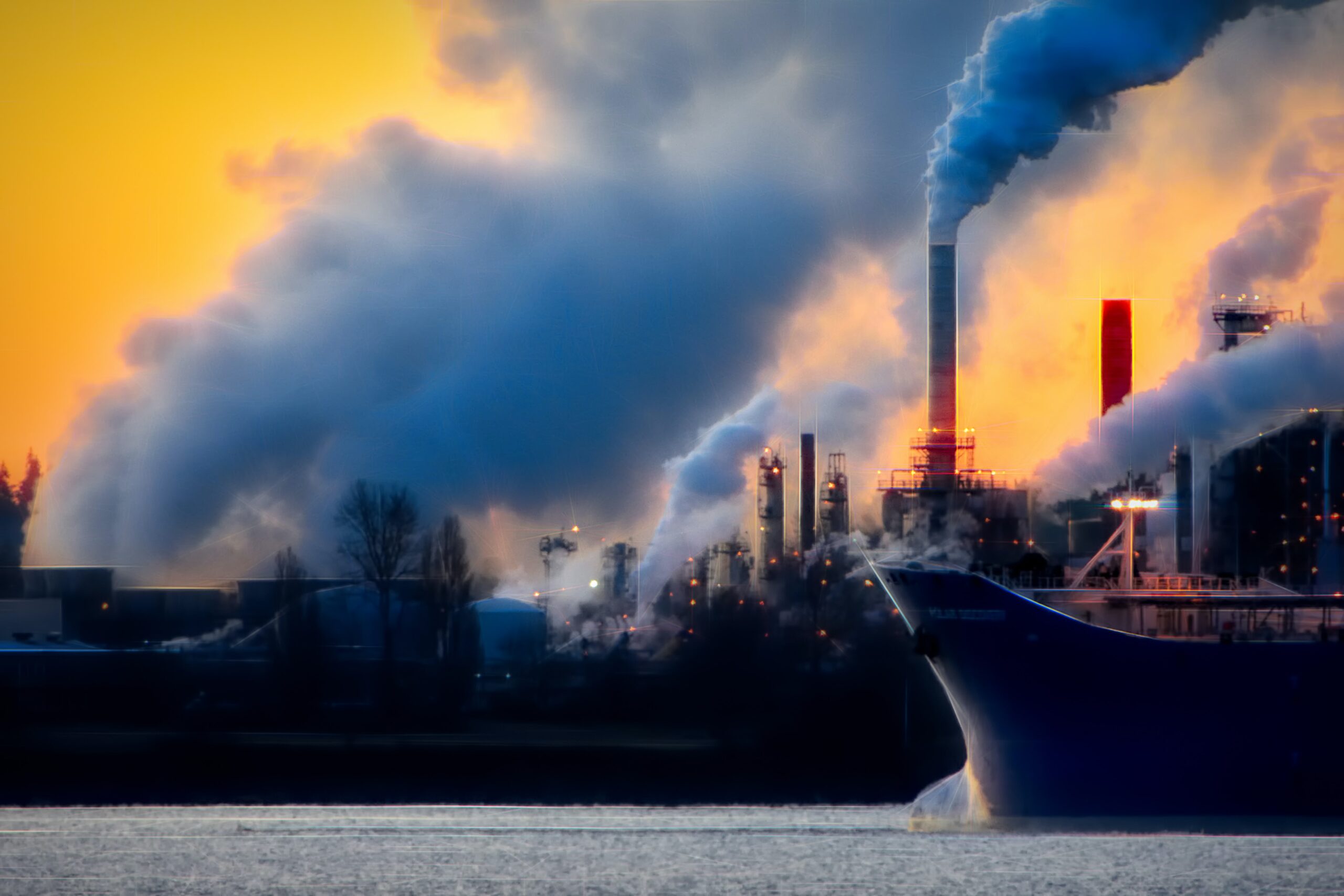
Four ways chemical giants are shaping green biotech
Startups are almost synonymous with the sustainable biotech industry and emerging sectors more generally. It is no mystery why this is the case. Market differentiation for new firms is tied to product novelty rather than scale, reputation, or capital.