Braskem and Toyota Tsusho are working together to expand the use of bio-based polyethylene (PE) in Japan. The material is made from sugarcane. The companies say it can help packaging brands cut greenhouse gas emissions without losing performance.
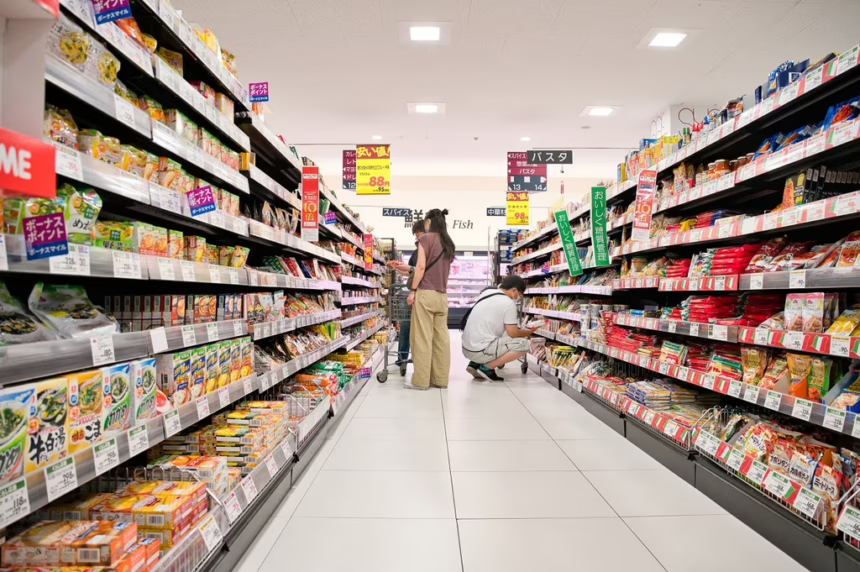
Toyota Tsusho is the trading company of Toyota Motor Group. Braskem sells the resin under its I’m green bio-based brand. The two firms describe Japan as East Asia’s most advanced market for bio-based materials. They say packaging makers there now use the resin in shopping bags, food packaging and everyday consumer goods.
Frederico Campos, Braskem’s business director for Asia Pacific, said Japan helped build early demand. He credited a strong policy and certification framework for biomass plastics. Braskem now wants partners to move from first use to higher bio-based content across more packaging types.
Toyota Tsusho cited a life cycle assessment by a University of Tokyo research team. The study covered emissions from sugarcane growing through to final incineration. According to the company, plant-based PE showed lower emissions across that full cycle. Campos added that sugarcane captures CO2 as it grows. He said this gives the material a negative carbon footprint from cradle to gate.
Cosmetics and personal care show the strongest momentum, Campos said. Brands in that sector promote natural and renewable ingredients. They want packaging that supports the same message. The resin is already used in bottles, tubes, caps and closures. Campos said it matches the performance and design flexibility of conventional PE.
Interest is also growing in China, South Korea and Australia. Campos said brands there are judging packaging by product carbon footprint and wider decarbonization goals. Braskem’s focus in those markets is education and working with local converters to speed up qualification and launches.