


Decarbonising play: how to green the billion-dollar global toy industry
Like most of the consumer landscape, the $90.7 billion children’s toy industry is embedded in the fossil economy. As elsewhere, the main hurdle to decarbonising it is plastic.

Bio-based car parts could reduce the impacts of EVs
Lemon, almond, and pomegranates could well form the beginnings of a moreish dessert recipe but in the hands of the BARBARA project, an EU-private sector partnership, they became chemical ingredients…

Green vaping? Meet Cyclo
The ICCPP Group has developed the world’s first dual environmentally-friendly disposable vape solutions, named "Cyclo" series. It combines the concept of detachable and biodegradable, ahead of the industry in advance…

BASF and Advent agree to end-to-end supply chain for hydrogen fuel
BASF Environmental Catalyst and Metal Solutions, a global leader in precious metals and catalysis, and Advent Technologies Holdings), an innovation-driven leader in the fuel cell and hydrogen technology sectors, have…

Why investment could return to precision fermented protein
Something strange is happening in the world of alternative proteins. Investment into the sector surged in 2019 until reaching a record $5.1 billion in 2021. The bonanza ended almost as…

5 Minutes With… Raoul Dees Business Developer at Cosun Biobased Experts
Cosun Biobased Experts is a Dutch-based company that believes in creating value from crops. They have dedicated themselves to the production of biobased multifunctional ingredients; taking 100% plant-based residual material…

Regenerating the bioeconomy
The efficacy of corporate-led decarbonisation has come under increasing fire recently and not just from environmentalists.

5 Minutes With Niels van Stralen, CEO of ChainCraft
ChainCraft is a Dutch biotech company that develops and exploits proprietary fermentation processes to produce biochemicals from organic waste, providing sustainable chemicals to improve our daily lives. As with most…

The role of the bioeconomy in climate mitigation Part 2: Agriculture and food
Between 2023 and 2050, the world must avoid or absorb 24.9 gigatonnes of carbon to have a chance of keeping global warming to within 2 degrees by 2100.

The bioeconomy’s role in global emissions reduction, part 1: Biofuels and biomaterials
Biofuels and biomaterials are keystone climate mitigation technologies. A 2023 study estimated that if all plastics today were replaced with biobased ones, greenhouse gas emissions savings could equal 369 megatonnes,…
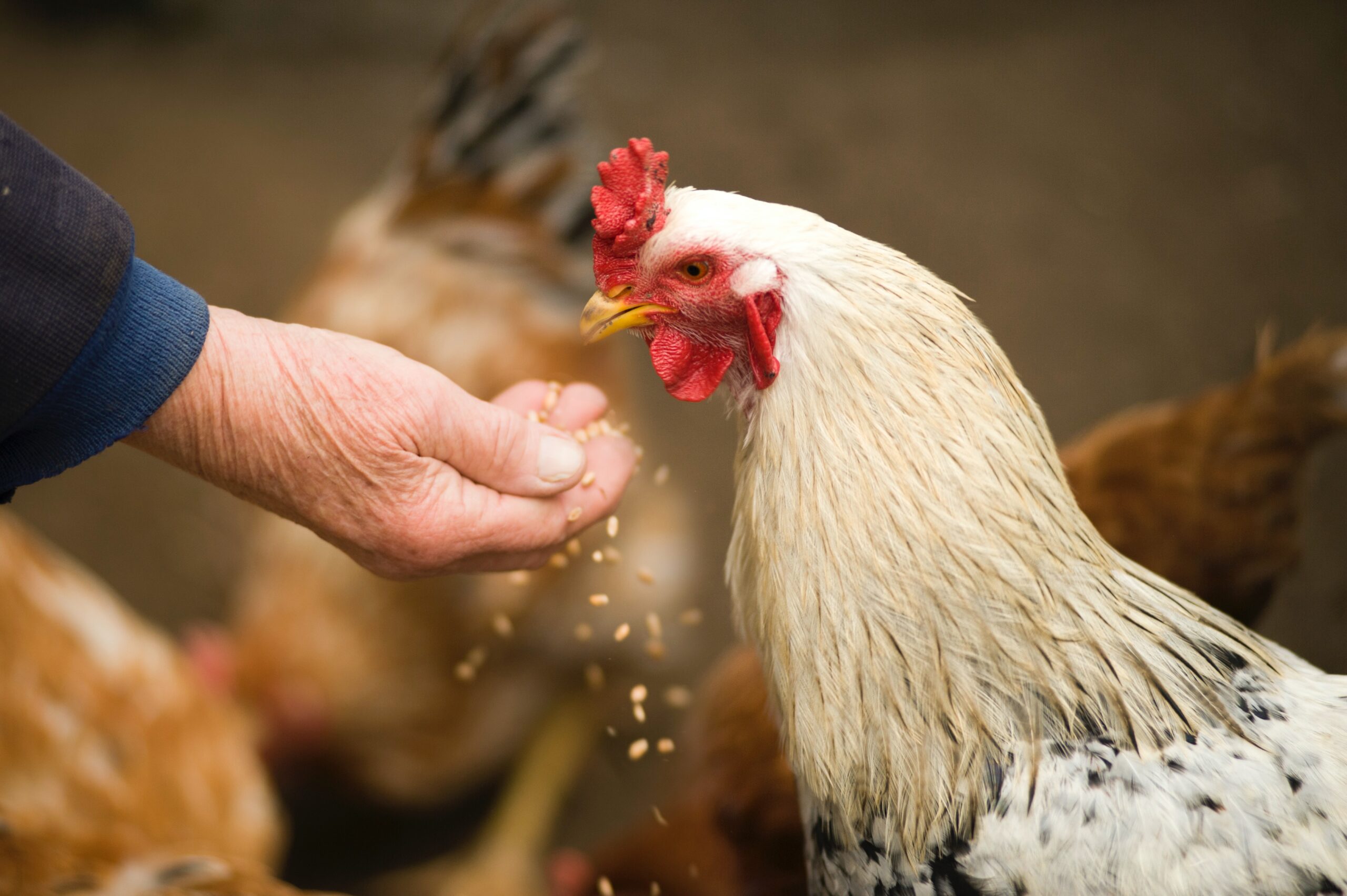
Insect feed for healthier, lower-carbon chicken
The global agricultural industry is at a reckoning. Food emissions are a massive slice of our carbon emissions. To stay within the world’s net zero carbon budget, agriculture must become…

A synbio takeover for AI?
Even the most hardened techno-sceptics have been taken aback by the natural language chat bots that were launched in quick succession over the past few months. Their moments of apparent…