Consumers are often frustrated by how much disposable packaging comes with beauty products. Given the industry’s environmental impacts, they’re right to be.
Typically, a bottle of mascara lasts eight months. Yet the plastic it is made from won’t break down for hundreds of years in the environment.
Recycling is one option but it only works a limited number of times before the material degrades. Landfill is the ultimate destination for almost all plastics.
Yet some brands are showing that it’s possible to reduce impacts using biobased and circular materials. These alternatives often offer a contemporary, high-impact aesthetic that makes products stand out visually.

We look at the makeup companies that have made sustainable packaging a key focus of their brand.
Axiology: playful with paper
US vegan make up brand Axiology is one of a tiny minority in the industry that has ditched plastic altogether, not just in its shipping materials but in its product packaging too.
Instead, the company has turned to one of the most overlooked, yet also most reliable, biobased materials of all: paper.
All of Axiology’s make-up packaging is made by a women’s cooperative in Bali that upcycles outdoor paper pollution. The resulting packaging packs a punch, reminding us how strong and multi-functional this everyday material can be.
The brand’s Reishi mushroom-infused foundation sticks come in an irresistibly chunky round pot. Their ‘Balmie Super Fan Pack’ presents 12 lip-eye-and-cheek stains as a palette of children’s crayons, slotted neatly into a bright red rectangular box.
Axiology’s packaging delights in the playfulness and tactile delights of card, demonstrating how much creativity biobased materials allow for.
One of the biggest barriers to going plastic-free is the functionality and strength that allegedly only plastic provides. Yet Axiology’s shift to paper lipsticks, compacts, and boxes reminds us that plastic use is more often a habit than a necessity: why does foundation need to be pumped out of plastic tubes when it could be rolled onto skin from a purse-friendly pot?
Lush leads the way
One of the world’s leading innovators in sustainable cosmetics is Lush. The British high street brand has been advancing sustainable packaging for years, making it the centrepiece of their branding aesthetic.
Lush has proven that aesthetic appeal can go hand in hand with lower environmental impacts. The brand stands out for a unique look that is tightly connected to its green and low-waste packaging policies. Resourcefulness is the watchword here, with the company eliminating unnecessary materials while presenting their wares in a way that is totally distinctive to the brand.
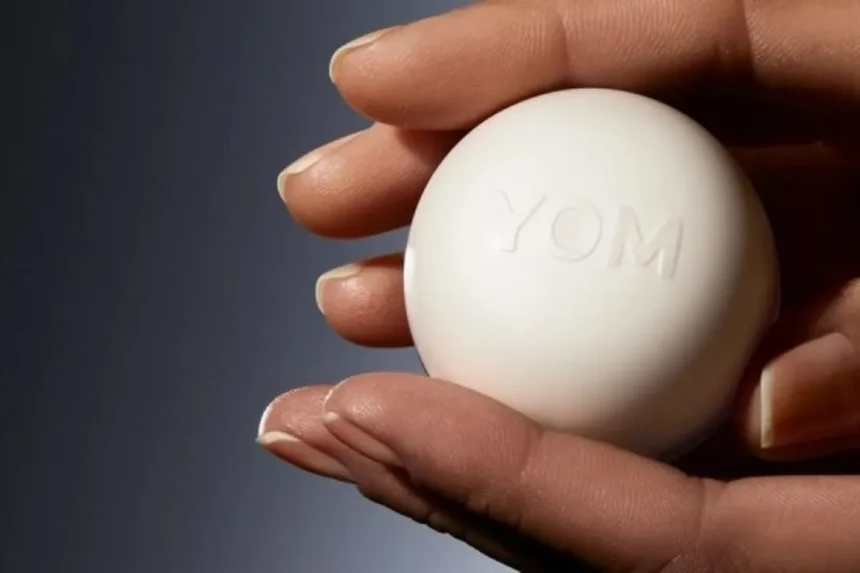
Many of its products, such as their famous bath bombs, come with no packaging whatsoever. Yet the company hasn’t missed out on any visual branding opportunities: the intricate, eye–catching moulds its bath products are set in make them look good enough to eat.
Biomaterials also feature in their product range. Liquid products like body mists come in chunky, utilitarian spray bottles made from ‘zero waste’ and ‘circular’ sugar cane bioplastics. The company has also released statements that it vets its plastic supply chains, including how the feedstock is obtained.
At Lush, shipping packaging gets the eco-treatment too. In 2007, Lush made the bold switch from plastic filler material to edible popcorn – a shift entirely in keeping with the brand’s zany persona and bare-essentials approach to sustainability.
Yet the company soon changed to using a more processed biobased alternative to popcorn filler, one that actually performed better on product protection and energy reduction.
Eco Flo, a packaging foam nugget made from cornstarch, is now the company’s filler of choice. Not only is it biodegradable in water and soil, its manufacturing uses up less heat and energy compared to popcorn!
BYBI Beauty: glass, metal, and sugarcane
BYBI Beauty is another brand that has made eliminating oil plastics the forefront of its sustainability mission.
All the makeup containers that come out of this female-owned brand is made from either biodegradable sugar cane or glass.
Glass can be a useful aid in eliminating packaging plastic in makeup. Like plastic, it is infinitely malleable but unlike it, it can be recycled infinitely without any loss in the quality.
However, glass doesn’t have all the properties required for every packaging application. This is where bioplastics can take over.
The sugarcane bioplastic used by the brand is a more sustainable alternative to PET plastic made from oil. Sugarcane is sustainable because it is a waste byproduct of making sugar, meaning that using it for packaging does not take away from the human food supply.
Sugarcane-based plastic behaves like oil PET but it has far lower emissions. Its physical similarity to fossil plastic means sugarcane plastic can be processed by existing recycling plants. This removes the problem that afflicts certain types of bioplastics, which is the lack of specialised recycling plants needed to process them.
BYBI Beauty acknowledges that its sustainable packaging is a work in progress. Despite its recyclable nature, recycling rates for PET remain relatively low. The company says that it is constantly scouting for new sustainable packaging technologies and is in touch with suppliers to adopt solutions as they become available.
Sugarcane in men’s skincare
The other big sugarcane packaging advocate in cosmetics is Bulldog, which seven years ago adopted the biobased material for its men’s face wash and moisturiser range.
The tube and cap of their bottles are made from sugarcane-based PE and PP, types of plastics that can be recycled together.
Bulldog makes its tubes from over 50 percent sugarcane plastic. 100 percent sugarcane plastic would not have the right functionality for the caps. However, like BYBI, Bulldog says it’s always on the hunt for new packaging materials that can improve its sustainability profile.
In 2025, Bulldog’s supplier Amcor cut the impacts of its sugarcane packaging further with a 16% reduction in the plastic material needed for its tubes. Reducing the environmental impact of packaging is often a multi-pronged effort, where material choice works hand in hand with eliminating unnecessary bulk.
Tropic: all-round sustainability
Tropic is leading the charge on all-round sustainable packaging with recyclable and biodegradable, marine-safe containers.
Some of their bestselling makeup containers are refillable. This means customers never have to buy another makeup palette again, having the option to buy refill pans that slot easily in. Tropic claims its refill makeup containers have eliminated 12.5 tonnes of packaging already.
Biobased solutions come into play in their shipping materials. Products are sent to customers in recycled cardboard. The biodegradable air packs for cushioning shocks in-transit are made from potato and cornstarch.
All elements of their parcels are entirely compostable, meaning it will easily break down in an ordinary home compost heap. This applies right down to the tape, which uses vegetable glue rather than conventional adhesives that use fossil chemicals
Bamboo simplicity from Zao and Elate
Natural wood grain is not a texture you see often in the cosmetics packaging world, where the sleek exteriors of resin and oil plastics are much more common.
Zao is breaking the mould with its bare and bold cosmetics design. Its mascara bottles, eyeshadow palettes, blush sticks and more come in casing made entirely from bamboo. The visual branding move announces the company’s environmental commitments at first sight.
Bamboo is one of the most popular biobased options for cosmetics on the market today.
North America’s Elate is another brand making makeup containers and applicators out of visible bamboo, along with aluminium and glass, two materials that are highly recyclable.
Its bamboo containers and palettes are refillable and endlessly customisable, cutting the plastic waste out of experimenting with colours and products.
Fungal packaging on the rise
Fungal packaging is an emerging trend in cosmetics packaging that we are set to see more of in the coming years. Early adopters include Wildsmith, Lush, Seedlip, Haeckels, and Selfridges, who use the material to protect products during shipping.
These packaging containers start off with mycelium, the thread-like roots of a mushroom. They can be combined with organic waste, like wood chips, and then moulded into custom shapes and sizes. Growing mycelium packaging requires very little in the way of resources like land and water, making it lighter on the environment than even sustainable forms of forestry. The material is also home compostable, meaning they are able to break down in ordinary garden compost heaps – no sorting and collection required.
The fungi packaging supplier that has made major inroads in the cosmetics space over the last several years is Magical Mushroom. It has already partnered with the UK’s Lush as well as Swedish makeup brand LOWD Cosmetics.
Magical Mushroom is the exclusive EU and UK licensed distributor for fungi material developer and manufacturer Ecovative Design, a major name in the mycelium biotech and biomaterials space.
For companies that want maximally sustainable packaging, options are multiplying every year. Brands are trialling and testing alternatives, augmenting the industry’s knowledge overall about what works for which applications. Making the switch from fossil materials to biobased is getting easier than ever and these brands are showing us how.