Berlin-based startup Level Nine has raised €4 million in seed funding to develop innovative catalysts that convert locally abundant biomass into industrial chemicals. This move aims to help Europe’s chemical industry reduce reliance on volatile fossil feedstocks amid mounting challenges like plant closures, rising energy costs, and global competition.
The funding round was led by Visionaries Tomorrow, with participation from Zero Carbon Capital, Rockstart, IBB Ventures, and better ventures. Including previous grants and investments, Level Nine has now raised a total of €6.5 million.
The new capital will accelerate the scaling of its AI-driven catalyst discovery platform, enabling industrial production of bio-based chemical intermediates that match or surpass petrochemical performance.
Europe’s €1 trillion chemical sector faces mounting pressure from fluctuating feedstock prices, geopolitical disruptions, and expansion in Asia and the Middle East. Biomass has long been seen as an alternative, but current technologies lack the precision and robustness needed for cost-effective, large-scale conversion.
Level Nine aims to bridge this gap by engineering catalysts that combine enzyme-like selectivity with industrial durability.
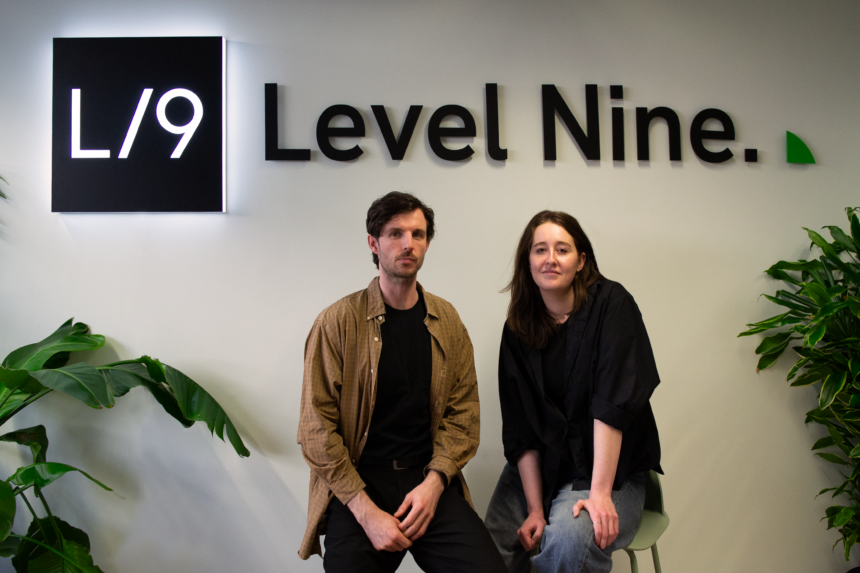
“Our catalysts enable high-yield conversion of biomass under milder conditions, reducing energy use by up to 90%,” explains Co-Founder and CTO Emily Sheridan. This technology allows existing infrastructure to produce bio-based chemicals that are competitive on cost and quality.
Co-founder and CEO Seadna Quigley emphasizes that their platform speeds up catalyst development from years to months, facilitating faster commercialization.
Level Nine’s initial focus is the €100 billion polyurethane market, where its catalysts produce bio-polyols that match fossil-based ones in performance and cost, with added fire-retardant properties. The company is working with industry partners and plans to establish a first-scale plant by 2027.