The EU-funded ShapingBio project released a new policy brief. It offers recommendations to support the European bioeconomy. The brief aims to help shape the upcoming EU Bioeconomy Strategy. The strategy is part of Europe’s plan to transition to a circular, climate-neutral economy.
The report highlights three main needs. First, stronger coordination across EU Member States and regions. Better horizontal and vertical collaboration can unlock bioeconomy potential. Stakeholder dialogues should be intensified to improve coherence.
Second, improved access to financing is essential. Funding should better support companies from research to commercialization. Instruments for higher Technology Readiness Levels (TRLs) and public-private partnerships are needed. These measures can help companies scale innovations from lab to market.
Third, harmonized market conditions and demand-side policies are recommended. These can accelerate the deployment of bio-based products across sectors.
The bioeconomy is vital for addressing climate change, biodiversity loss, and resource scarcity. It offers sustainable alternatives to fossil-based systems. The sector covers food, energy, materials, and industrial processes.

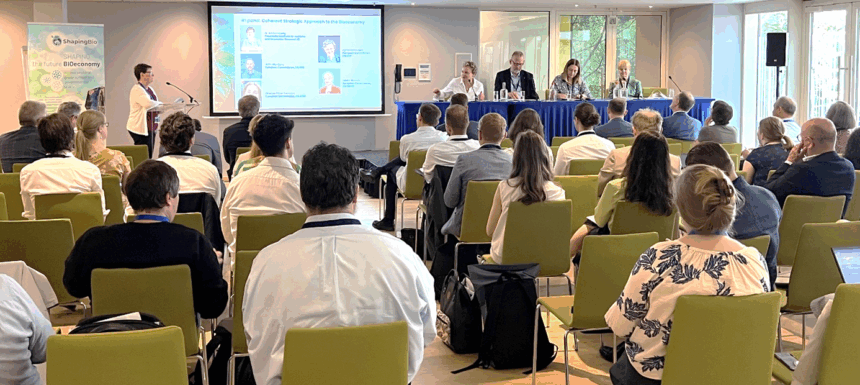
The recommendations are based on input from nearly 2,000 stakeholders, including policymakers, researchers, and industry leaders. They participated through surveys, interviews, and 45 events held from 2022 to 2025.
Sven Wydra, the project coordinator, emphasized the need for collective action. He highlighted Europe’s assets, like biomass resources and research. But he also pointed out that fragmented strategies limit progress. Wydra called for coherent policies, better financing, and stronger collaboration to boost Europe’s global competitiveness.
The full policy brief and detailed reports are available at the ShapingBio website. The European Commission’s policy officers have received the recommendations positively. Implementing them could enhance Europe’s resilience and sustainability in the coming decades.