The Mexican Ministry of Energy (Sener) is actively advancing its strategy to regulate and promote biofuel production nationwide.
This aligns with President Claudia Sheinbaum’s vision for a sustainable energy future and a cleaner, more diversified energy mix.
Between October 2024 and August 2025, Sener issued 42 valid permits, including 7 for production, 16 for sales, and 6 for transportation. Additionally, 13 formal notices were registered to ensure ongoing oversight of the biofuel supply chain across Mexico.
The country’s potential biofuel production capacity is estimated at 112.5 million liters of ethanol and 36,000 cubic meters of biomethane. Most active permits currently focus on biodiesel distribution and transportation, reflecting the industry’s current phase of development.

A government official explained the broader strategy, emphasizing the creation of a clear framework for orderly biofuel sector growth.
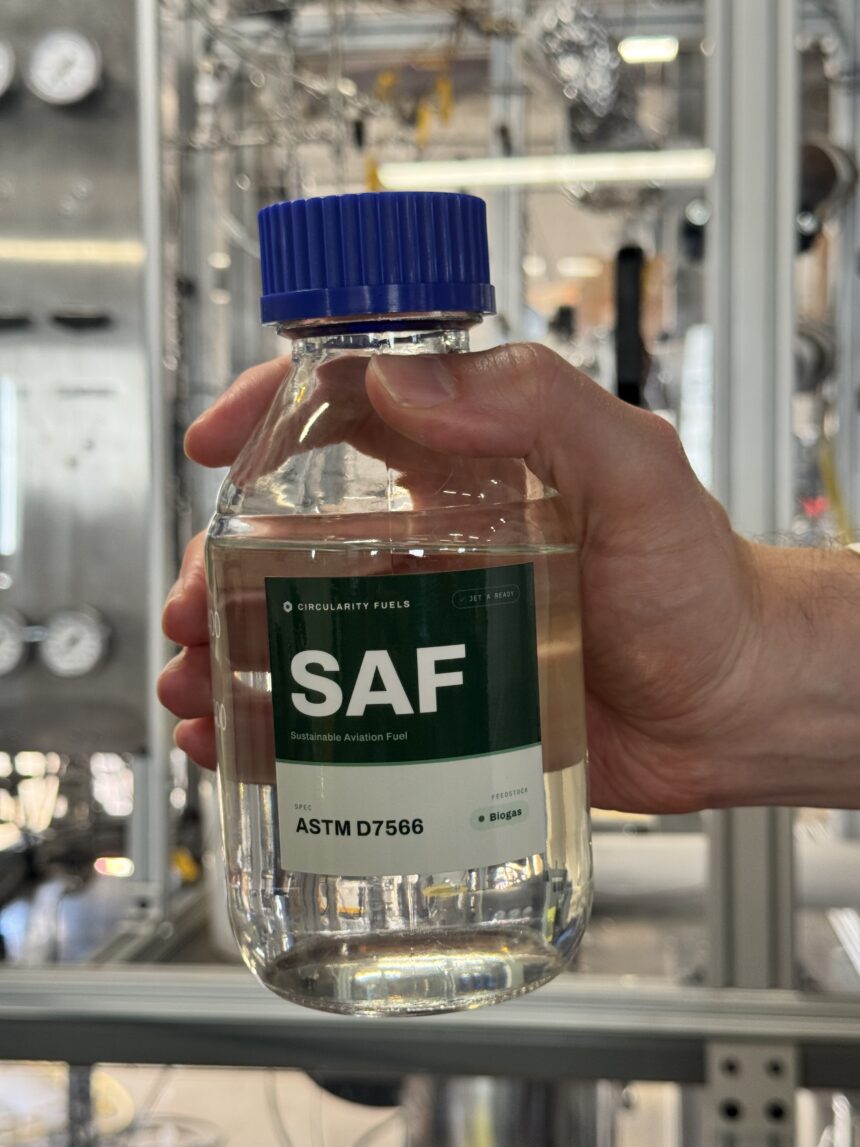
The government supports projects related to biomethane, waste heat utilization, and biofuels for aviation, demonstrating sector diversification. Coordination efforts involve state-owned energy companies CFE and Pemex, aligning their long-term goals with national energy objectives.
Recent passage of the new Biofuels Law underscores the government’s commitment to a sustainable and innovative energy transition.
The law promotes fuels derived from organic waste and non-food crops, encouraging cleaner energy sources and reduced environmental impact. It also encourages blending biofuels with traditional gasoline to diversify energy options and improve air quality across Mexico.
President Sheinbaum’s administration emphasizes energy sovereignty combined with technological innovation and environmental responsibility.
This strategy aims to position Mexico as a regional leader in renewable fuels and sustainable energy development.